
Best Cameras and Lenses for Safari in 2026: Picks for Every Budget
Some links on this site are affiliate links, including Amazon Associates and other affiliate programs. If you buy through them, PhotoCultivator may earn a commission at no extra cost to you. As an Amazon Associate I earn from qualifying purchases.
Capturing stunning wildlife photos on safari requires the right gear.
Whether you’re a beginner or a pro, this guide will help you choose the perfect camera and lens setup to document your African adventure.
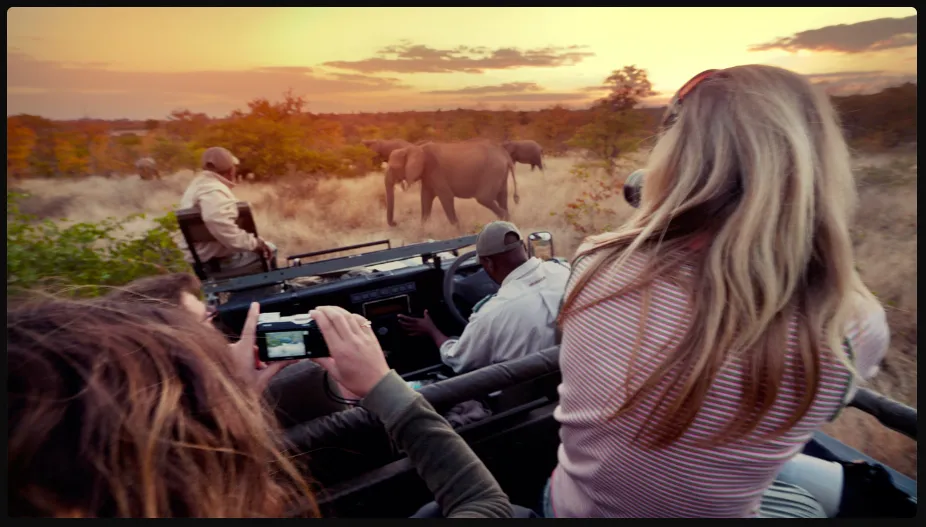 Capturing the magic of wildlife on safari: Tourists photograph elephants from a safari vehicle at sunset.
We’ll cover top camera picks for every skill level, essential safari photography tips, lens considerations, post-processing techniques, and common challenges you might face.
By the end of this guide, you’ll be well-equipped to bring home images that rival those of professional wildlife photographers.
Top Safari Camera Picks for Every Skill Level
If you’re buying new in 2026, mirrorless is the current direction for safari work. The biggest reason is animal and eye-detection autofocus, which locks onto a moving subject and tracks it across the frame far more reliably than the autofocus in older DSLRs. Current full-frame options worth knowing include the Nikon Z8, Canon EOS R5 Mark II, and Sony A7 IV, while APS-C value bodies like the Canon R7 and Nikon Z50 II deliver much of that tracking at a lower price. The DSLR picks below still take excellent safari images and remain a sensible budget and used-market route, especially when paired with the long lenses listed here.
Entry-Level: Nikon D3500 DSLR
For safari beginners, the Nikon D3500 offers an excellent balance of image quality, ease of use, and affordability.
Key features include:
- 24.2MP sensor for crisp, detailed images
- Lightweight body ideal for travel
- Simple controls perfect for novice photographers
- Pair with the Nikon 55-300mm f/4.5-5.6G VR lens for versatile zoom range. This lens offers a good balance of reach and portability for beginners. The Vibration Reduction (VR) feature helps compensate for camera shake
💡For more on choosing the right camera for beginners, check out my best cameras for beginners guide.
Enthusiast: Canon EOS 90D DSLR
The Canon EOS 90D is a powerful mid-range option for more serious photographers.
Highlights include:
- 32.5MP APS-C sensor captures incredible detail
- Fast 10 fps continuous shooting for action shots
- Weather-sealed body stands up to dusty conditions
- Excellent companion to the Canon EF 100-400mm f/4.5-5.6L IS II USM lens
Professional: Nikon D850 DSLR
For uncompromising image quality, the full-frame Nikon D850 is hard to beat.
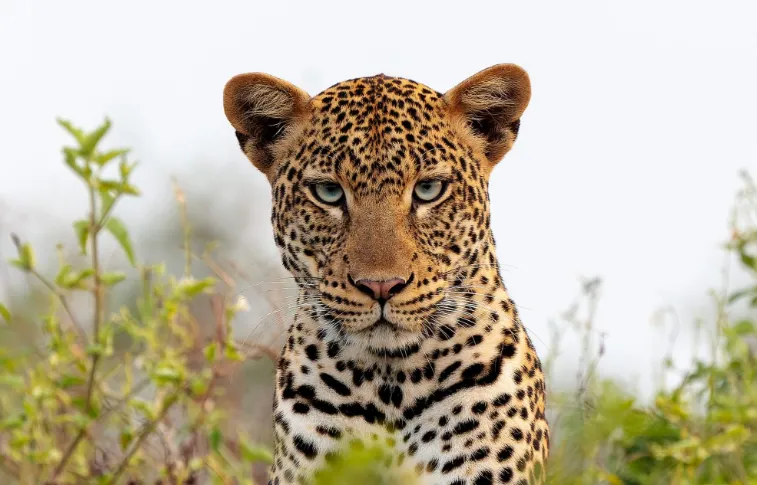 The power of professional gear: A stunning close-up of a leopard showcasing incredible detail and sharpness.
Key specs:
- 45.7MP sensor delivers stunning resolution and dynamic range
- Robust build quality for demanding safari conditions
- Advanced autofocus system tracks moving wildlife
- Pair with the Nikon 200-500mm f/5.6E ED VR for ultimate reach
💡For more budget body-and-lens combinations aimed at birds and wildlife, see my nature and wildlife camera guide.
Essential Safari Photography Tips
- Master your camera’s settings before the trip
- Use fast shutter speeds (1/1000s+) to freeze action
- Shoot during golden hour for magical lighting
- Learn animal behavior to anticipate great shots
- Experiment with different perspectives and compositions
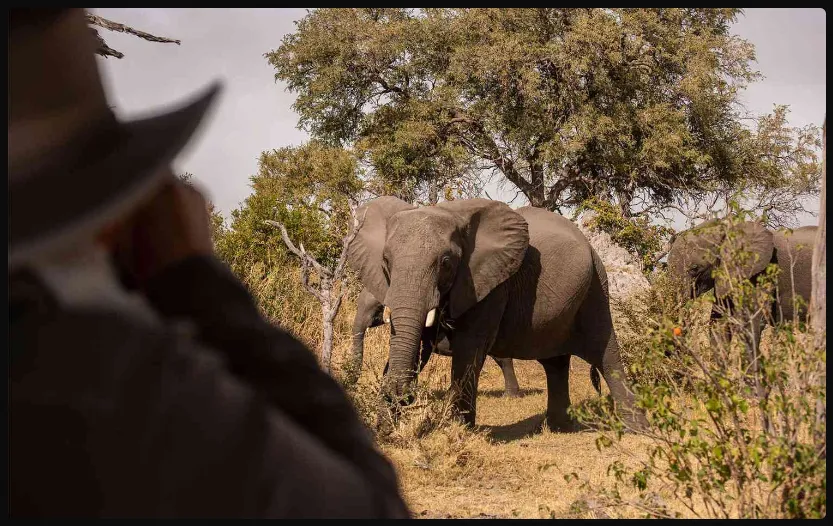 Patience and respect in wildlife photography: A photographer observes an elephant from a safe distance.
Additional Safari-Specific Tips
- Use burst mode to capture fleeting moments of animal behavior
- Embrace the dust and incorporate it into your shots for atmospheric effects
- Always be ready - keep your camera out and lens cap off
- Respect wildlife and maintain a safe distance - use a longer lens instead of getting too close
- Pack extra memory cards and batteries - you’ll take more photos than you expect.
💡For more in-depth tips on wildlife photography, check out my other guide on whale-watching photography.
Lens Considerations for Safari Photography
Choosing the right lens is crucial for capturing stunning wildlife images on safari. Here are key factors to consider:
Factors to Consider When Choosing a Lens
- Weight: Safari often involves long days in vehicles or on foot. A lighter lens can prevent fatigue and make handling easier.
- Versatility: A lens with a wide zoom range allows you to capture both close-ups and wider scenes without changing lenses.
- Weather Sealing: Safaris can be dusty and occasionally wet. Weather-sealed lenses protect against environmental damage.
- Image Stabilization: This feature helps maintain sharpness, especially in low light or when using longer focal lengths.
Importance of Focal Length Range
Different focal lengths suit various wildlife scenarios:
- 200-400mm: Ideal for larger animals and closer encounters
- 400-600mm: Perfect for most wildlife situations, offering a good balance of reach and manageability
- 600mm+: Excellent for distant or smaller subjects, but can be challenging to handle
Prime vs. Zoom Lenses for Safari
Prime Lenses:
- Pros: Superior image quality, wider apertures for low-light shooting
- Cons: Less versatile, require changing lenses more frequently
Zoom Lenses:
- Pros: Versatile, allows quick composition changes without switching lenses
- Cons: Generally heavier, may have smaller maximum apertures
For most safari photographers, a high-quality zoom lens like the 100-400mm or 200-500mm offers the best balance of versatility and image quality.
💡If you’re interested in exploring more specialized lenses, take a look at my guide on the best fisheye lenses for photographers.
Tips for Protecting Lenses in Dusty Conditions
- Use a UV filter to protect the front element
- Keep lens caps on when not shooting
- Use a lens hood to minimize dust on the front element
- Carry a blower and microfiber cloth for quick cleaning
- Avoid changing lenses in dusty environments when possible
💡See my camera gear storage and protection tips for more advice on keeping your equipment safe.
Additional Specialized Lenses
While a versatile zoom is often sufficient, consider these specialized options:
- Super-telephoto Prime Lenses (e.g., 600mm f/4): - Ideal for distant subjects or bird photography - Offers superior image quality and low-light performance - Challenges: Heavy, expensive, less versatile
- Wide-angle Lenses (e.g., 16-35mm): - Perfect for landscape shots and environmental portraits - Captures the vastness of African scenery - Great for close-up shots of larger animals like elephants
- Macro Lenses: - Allows close-up shots of small wildlife, insects, and plants - Adds variety to your safari portfolio - Consider a longer focal length (e.g., 100mm) for a comfortable working distance
The best lens is one that you’re comfortable using and fits your shooting style.
For most safari situations, a high-quality telephoto zoom lens will cover the majority of your needs.
Post-Processing Techniques for Safari Photos
After your safari, bring your images to life with these post-processing tips:
- Adjust the white balance to correct for the warm tones of African landscapes
- Use selective sharpening to enhance animal features, especially eyes
- Reduce noise in shadow areas, common in early morning/late evening shots
- Apply subtle vignetting to draw focus to your subject
- Experiment with black-and-white conversions for dramatic portraits
💡My guide on editing tips with Adobe Lightroom can help you master these techniques.
Common Challenges in Safari Photography and How to Overcome Them
- Harsh midday light: Use fill flash or wait for better lighting conditions
- Distant subjects: Invest in a longer lens or use a teleconverter
- Shooting from a vehicle: Use a bean bag or window mount for stability
- Fast-moving animals: Pre-focus on a spot and wait for the animal to enter the frame
- Cluttered backgrounds: Use a wide aperture to blur the background and isolate your subject
💡Shooting from solid ground instead of a vehicle? My tripod and gimbal head guide for wildlife photography covers stable support for heavy telephoto lenses.
💡For more tips on capturing great shots in challenging light conditions, check out my low light photography tips.
And That’s It
Choosing the right camera and lens combo is key for capturing unforgettable safari moments.
Whether you opt for an entry-level DSLR or professional-grade gear, these recommendations will help you bring home stunning wildlife images.
Remember to practice with your equipment before the trip and always prioritize the experience over getting the “perfect” shot.
💡For more inspiration, check out my guide on travel photography tips.
Also, check out the Wildlife Photographer of the Year competition gallery that showcases some of the world’s best wildlife images.
I hope that helps,
Hakan.