
Top 5 Vlogging Cameras for Beginners Under $800
Some links on this site are affiliate links, including Amazon Associates and other affiliate programs. If you buy through them, PhotoCultivator may earn a commission at no extra cost to you. As an Amazon Associate I earn from qualifying purchases.
“Just use your phone!” they said.
But if shaky footage and poor audio are killing your vlogging dreams, you’re in the right place.
The truth?
While killer content beats expensive gear, the right camera can transform your vlogs from amateur to amazing.
No more blurry footage, muffled audio, or frustrated editing sessions.
Skip the $2000+ cameras the “pros” push.
Here are the only vlogging cameras worth your money in 2025, all tested for real-world use, not just specs on paper.
Top Vlogging Cameras Compared
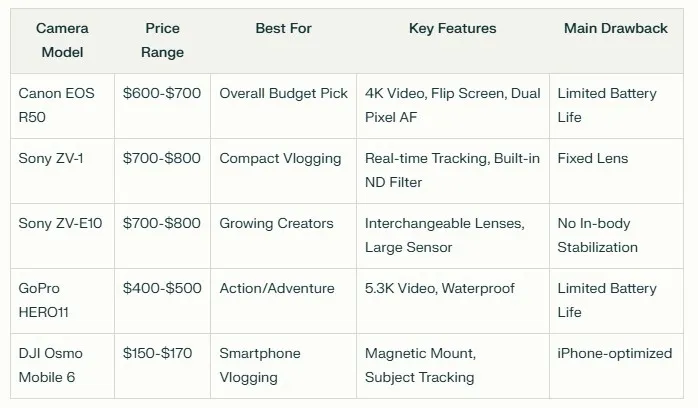
Quick Picks by Need:
- Best Budget: Canon EOS R50 - Professional features without breaking the bank
- Best Compact: Sony ZV-1 - Pocket-sized but powerful
- Best Mirrorless: Sony ZV-E10 - Room to grow with interchangeable lenses
- Best for Action: GoPro HERO11 Black- Adventure-ready and waterproof
- Best Smartphone Stabilizer: DJI Osmo Mobile 6- Transform your smartphone into a vlogging powerhouse
Best Budget Vlogging Cameras
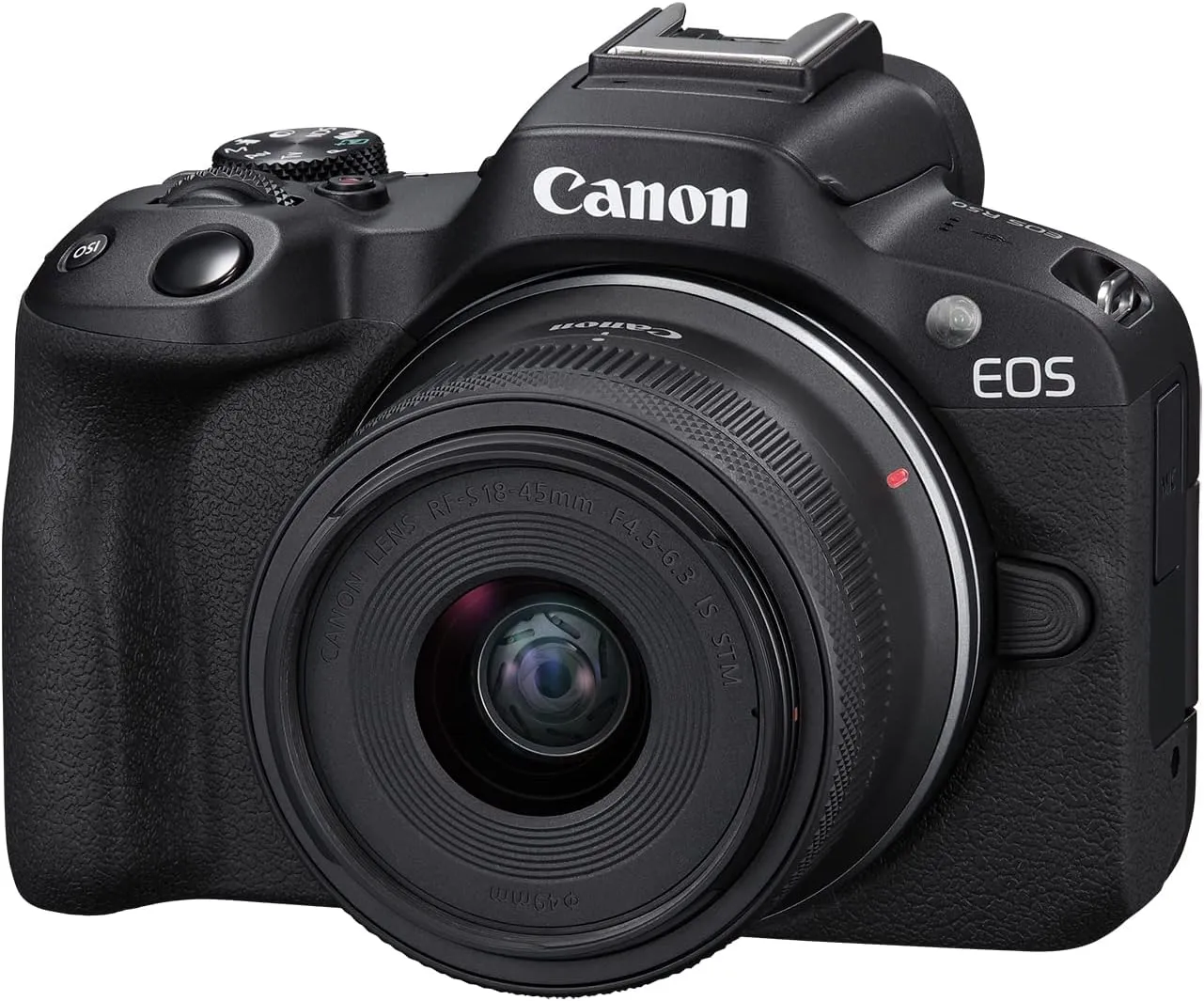
Canon EOS R50: Best Overall Value ($600-$700)
Perfect for: Beginners who want room to grow without overspending
Key Features:
- 4K video recording with stunning detail
- Flip-out touchscreen for self-recording
- Canon’s renowned Dual Pixel autofocus
- Compact, lightweight body design
- Compatible with RF-mount lenses
Real-World Performance:
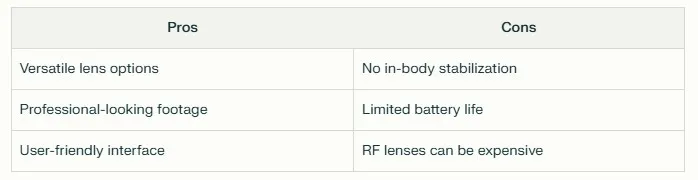
The EOS R50 shines in everyday vlogging scenarios.
Its autofocus keeps you tack-sharp while moving, and the flip screen makes framing shots effortless.
While battery life could be better, carrying a spare solves this minor inconvenience.
For more budget-friendly options, check out my guide on the best cameras under $300 for casual photography.
Nikon Z30: Compact Alternative ($700-$800)
Perfect for: Mobile creators who prioritize portability
Key Features:
- 4K/30p video capability
- Vari-angle touchscreen
- Built-in Wi-Fi/Bluetooth
- Excellent eye-detection AF
- Compact, lightweight design
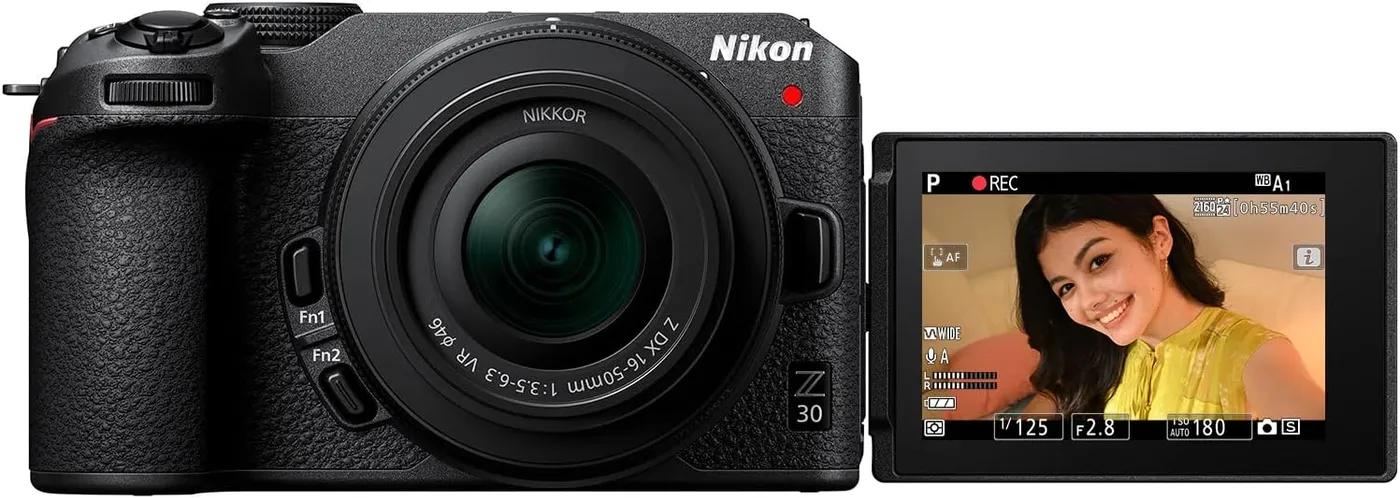
Real-World Performance:
The Z30 proves itself as a capable vlogging companion, especially for travel content creators.
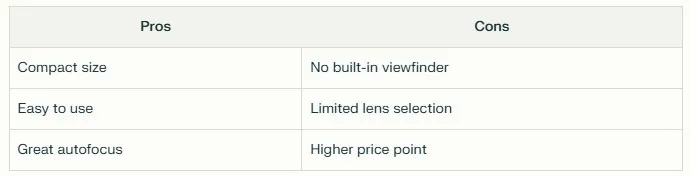
Its size makes it perfect for one-handed operation, though you’ll want to consider the limited lens selection when planning future upgrades.
💡 Pro Tip: Both cameras work best with a small tripod for static shots. Consider budgeting an extra $50-100 for a compact tripod and spare battery.
Top Compact Vlogging Camera
Sony ZV-1: The Pocket Powerhouse ($700-$800)
Perfect for: Mobile creators who need professional features in a compact body
Key Features:
- Purpose-built for vlogging
- 20.1MP 1-inch sensor
- Real-time Eye AF tracking
- Built-in ND filter
- High-quality directional mic
- Product Showcase setting
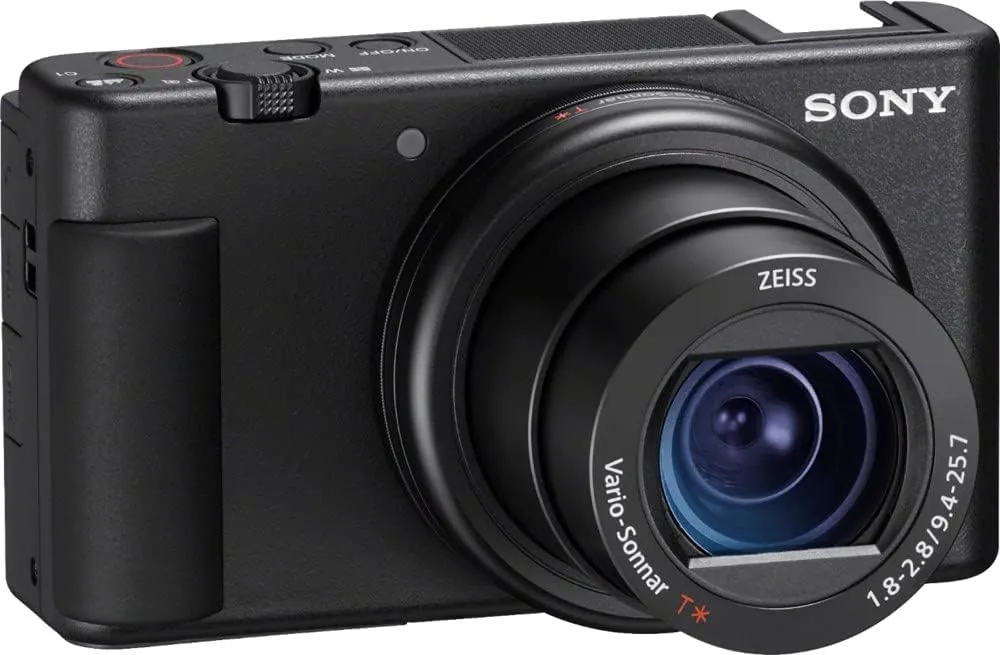
Real-World Performance:
The ZV-1 excels at what matters most for vloggers: keeping you in focus while delivering crisp, professional-looking footage.
The Product Showcase feature is a game-changer for review content, automatically switching focus to objects held up to the camera.
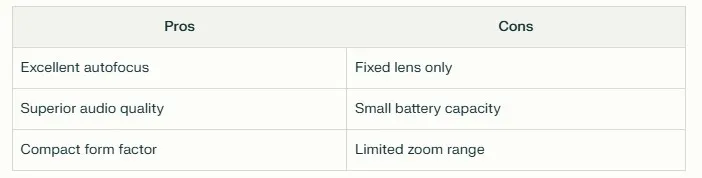
💡 Quick Tip: The ZV-1’s small battery means you’ll want to grab 2-3 spares for all-day shooting. Each battery typically lasts about 45-60 minutes of continuous recording.
Ideal Shooting Scenarios:
- Daily vlogging
- Product reviews
- Indoor content creation
- Travel documentation
- Beauty/makeup tutorials
For a comparison with another popular compact camera, see my Sony HX99 vs Lumix TZ95 comparison.
Best Mirrorless Vlogging Cameras
Sony ZV-E10: The Creator’s Choice ($700-$800)
Perfect for: Content creators ready to level up their production quality
Key Features:
- 24.2MP APS-C sensor
- Interchangeable lens system
- Advanced Eye AF tracking
- Clear, crisp 4K video
- Digital audio interface
- Live streaming capability
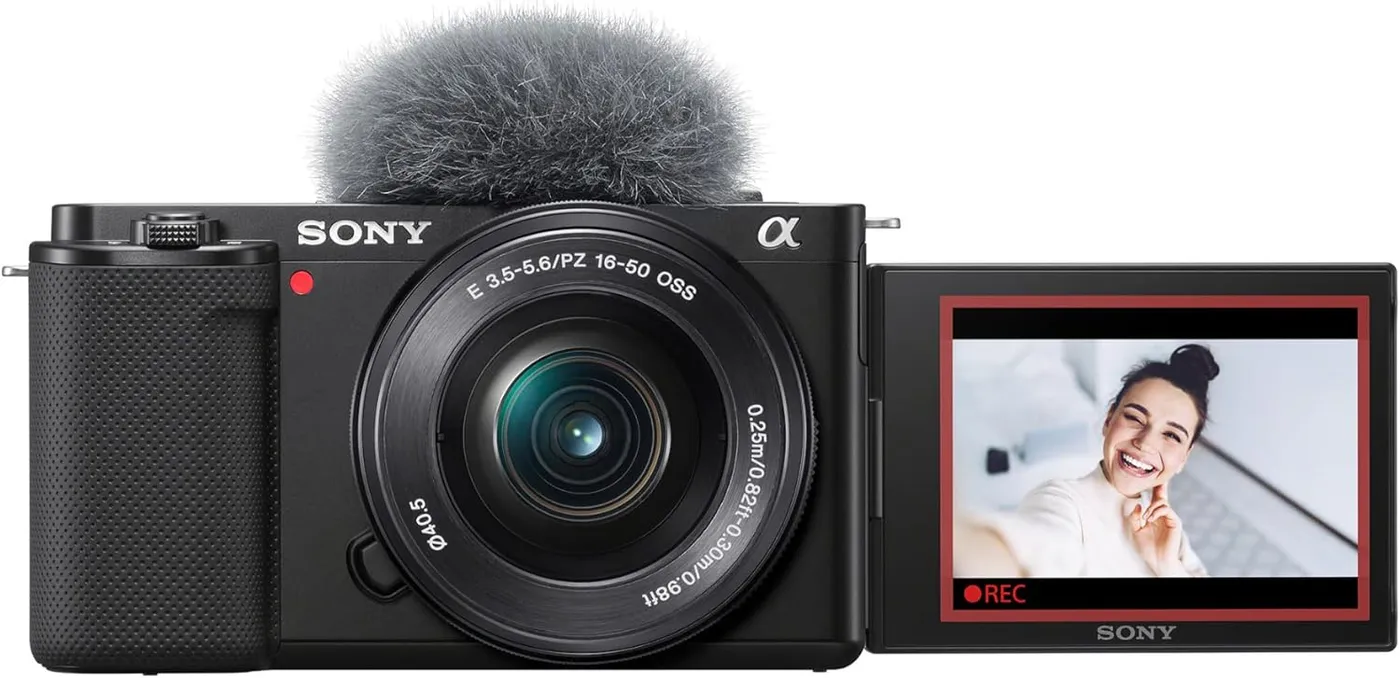
Real-World Performance:
Think of the ZV-E10 as the ZV-1’s bigger sibling with room to grow.
The larger sensor delivers noticeably better low-light performance, while the ability to swap lenses lets you achieve different creative looks: from wide-angle room tours to bokeh-rich beauty shots.
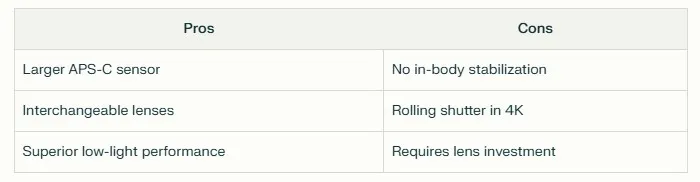
For lens recommendations, check out my guide on the best lenses for the Sony ZV-E10.
Sony ZV-E1: Premium Performance ($2,000-$2,200)
Perfect for: Serious creators who demand top-tier image quality
Key Features:
- Full-frame sensor
- Professional-grade stabilization
- Outstanding low-light capability
- Advanced AI autofocus
- Cinema-quality color science
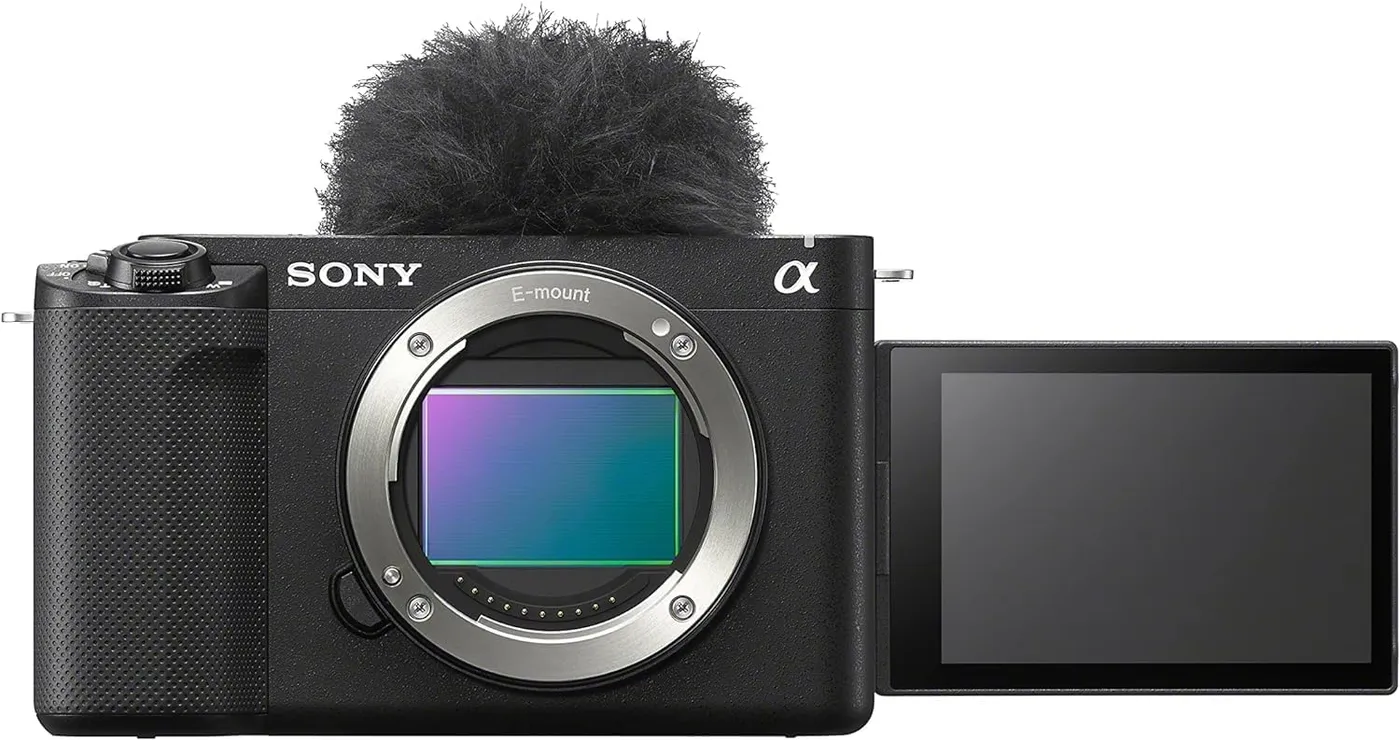
Real-World Performance:
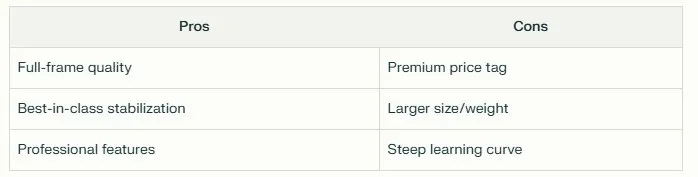
The ZV-E1 represents the pinnacle of vlogging cameras, delivering stunning full-frame footage that rivals professional cinema cameras.
However, its price point and larger size make it overkill for most beginners.
💡 Pro Tip: For ZV-E10 users, start with the kit lens and add the Sony 10-18mm f/4 when you’re ready for wider shots, perfect for room tours and travel content.
If you’re considering Sony vs Canon, check out my comparison of Sony and Canon mirrorless cameras and lenses.
Phone Stabilizers for Vlogging
For those preferring to vlog with smartphones, a stabilizer is essential.
Here are two excellent options:
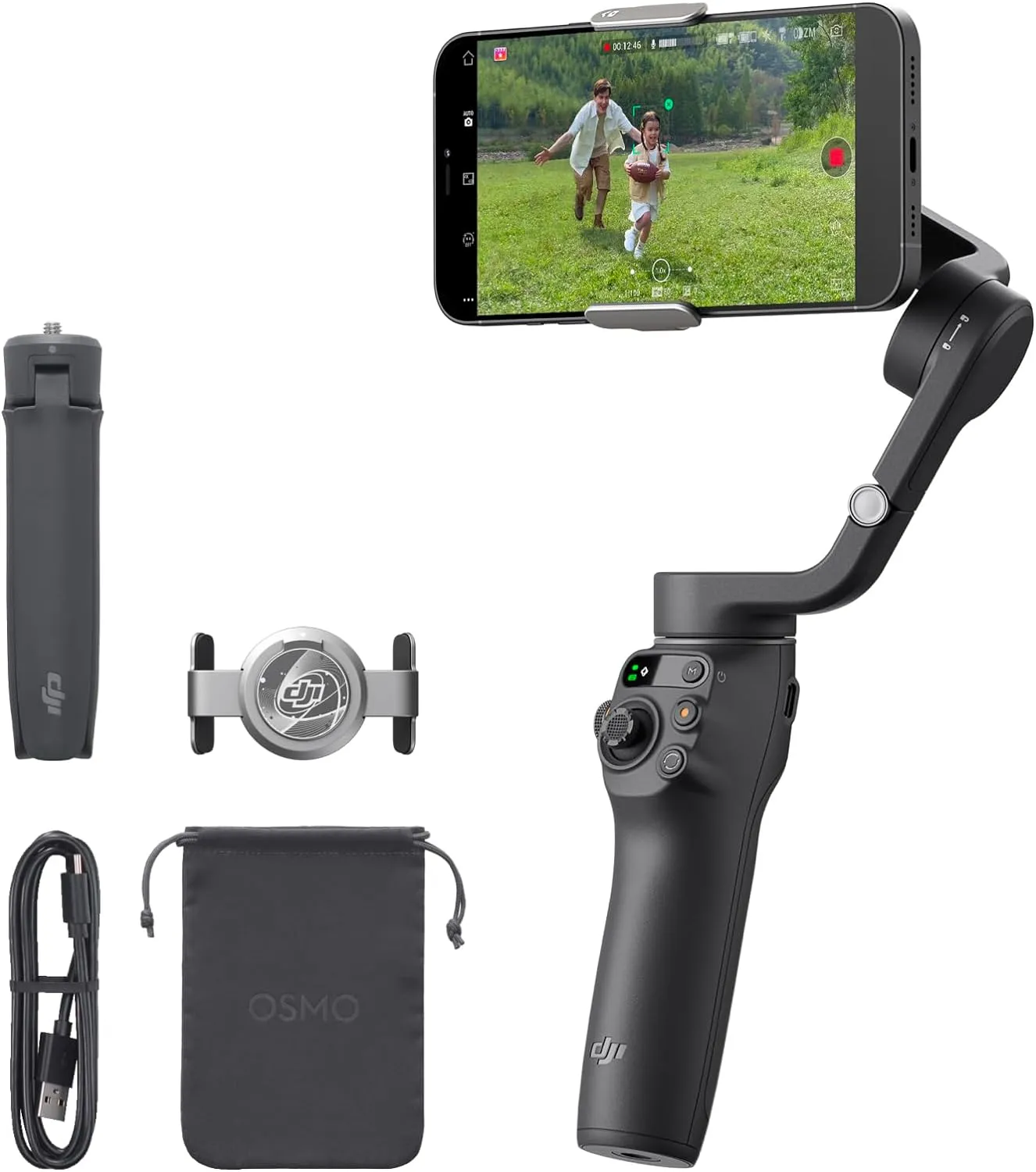
DJI Osmo Mobile 6: Smart Stabilization ($150-$170)
Perfect for: Smartphone vloggers seeking professional-looking footage
Key Features:
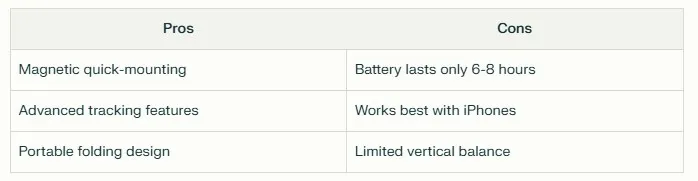
- Magnetic quick-release mount
- ActiveTrack 5.0 subject tracking
- Built-in extension rod
- Automated creative modes
- Compact, foldable design
Real-World Performance:
Transform your smartphone into a professional vlogging rig.
The Osmo Mobile 6 eliminates shaky footage while adding creative possibilities through its intelligent tracking and gesture controls.
Perfect for walking-and-talking shots or dynamic B-roll.
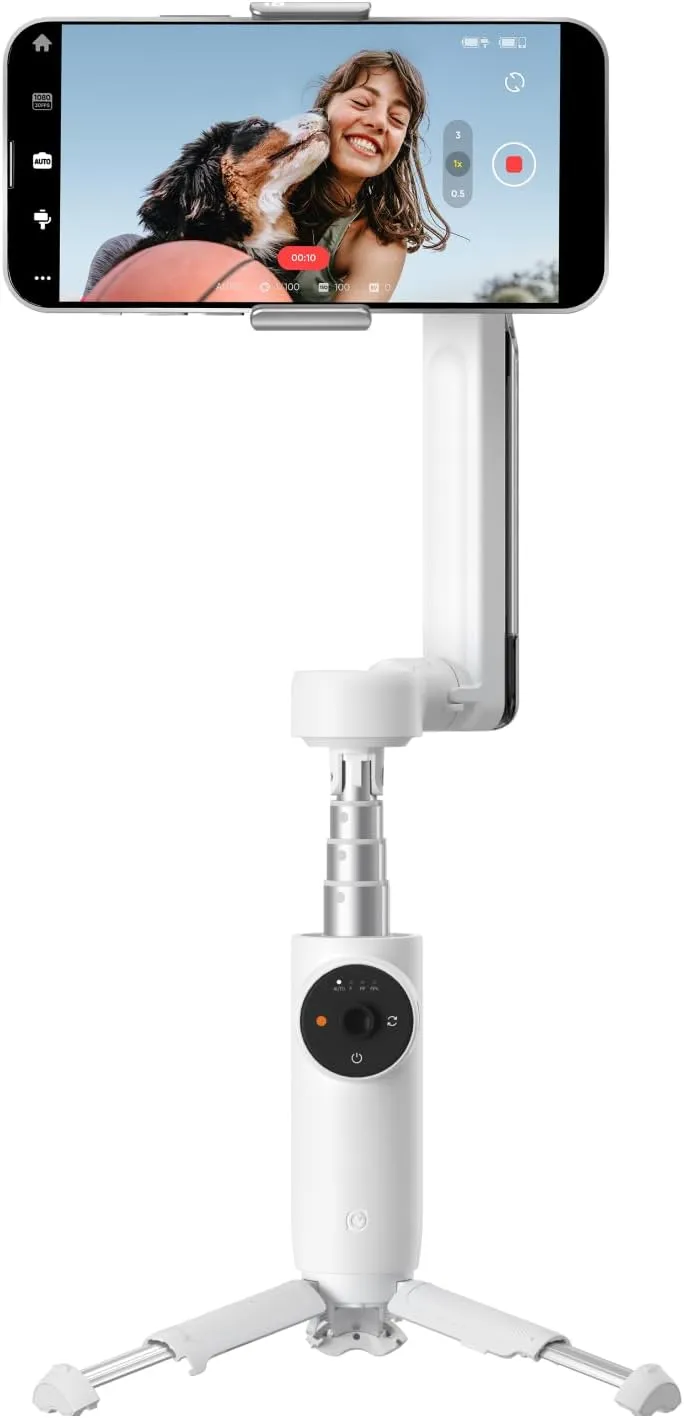
Insta360 Flow: Versatile Alternative ($150-$170)
Perfect for: Cross-platform users needing reliable stabilization
Key Features:
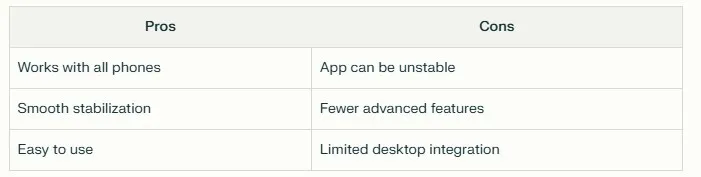
- Universal smartphone compatibility
- AI-powered tracking
- Built-in selfie stick
- Automated shot modes
- Compact design
Real-World Performance:
The Insta360 Flow offers similar stabilization quality to the DJI but with better Android compatibility.
While its app occasionally needs refinement, the hardware delivers smooth, professional-looking results consistently.
For more options, see my guide on smooth smartphone videos with compact gimbals.
Best Action Cameras for Adventure Vlogging
If your vlogging involves adventure or action, consider these rugged and compact action cameras:
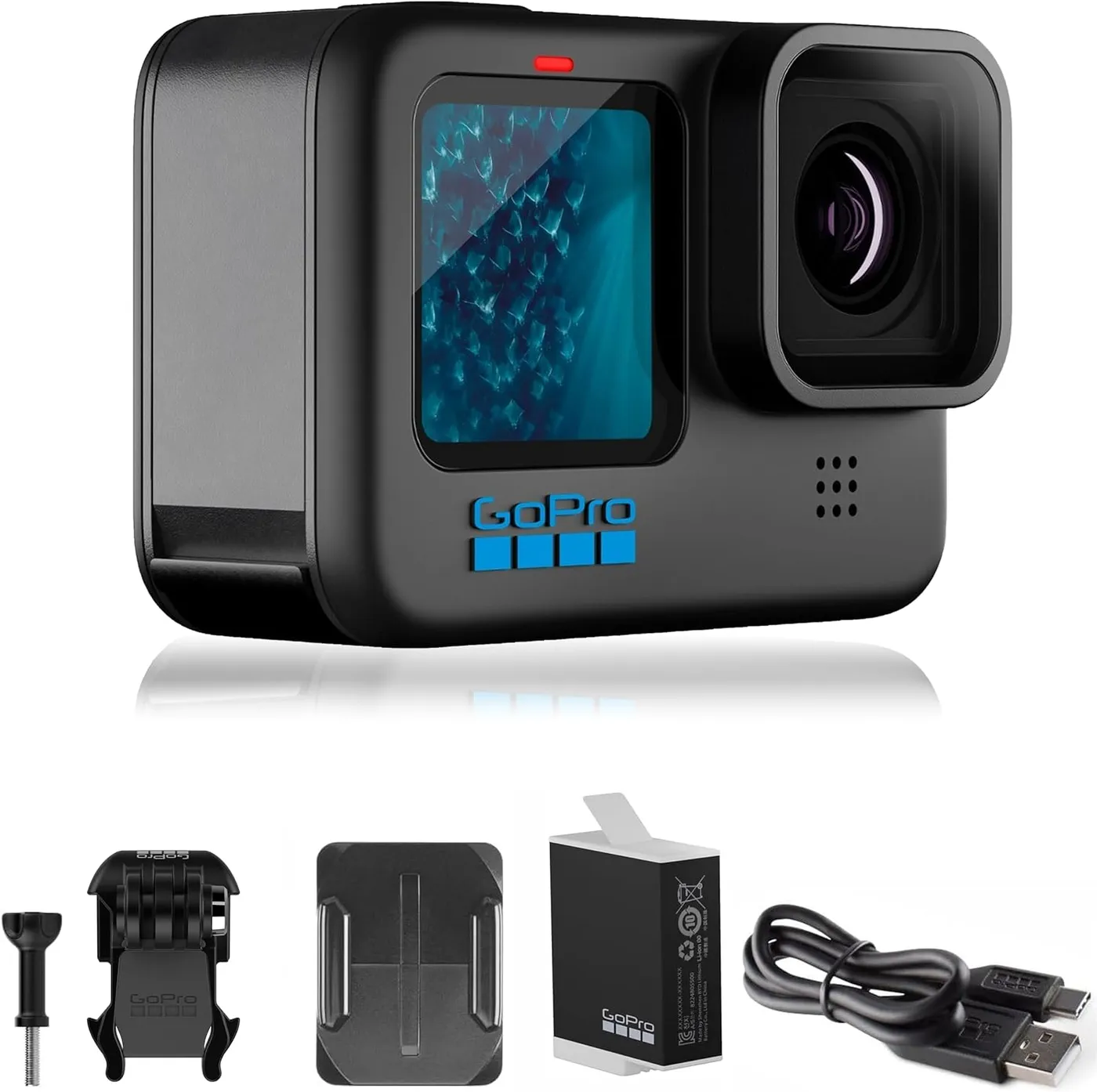
GoPro HERO11 Black: Adventure-Ready ($400-$500)
Perfect for: Adventure vloggers and action sports creators
Key Features:
- Stunning 5.3K video resolution
- HyperSmooth 5.0 stabilization
- Waterproof to 33ft (10m)
- 27MP photos
- TimeWarp 3.0
- Front and rear screens
Real-World Performance:
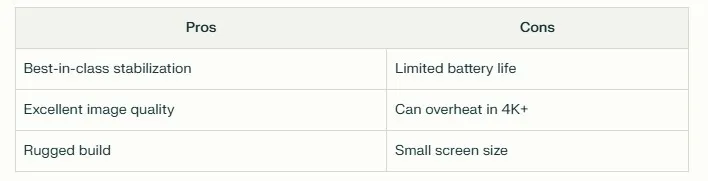
The HERO11 Black excels where other cameras fear to tread.
Whether you’re surfing, mountain biking, or skiing, it delivers incredibly smooth, high-resolution footage.
The upgraded stabilization makes even the shakiest activities look buttery smooth.
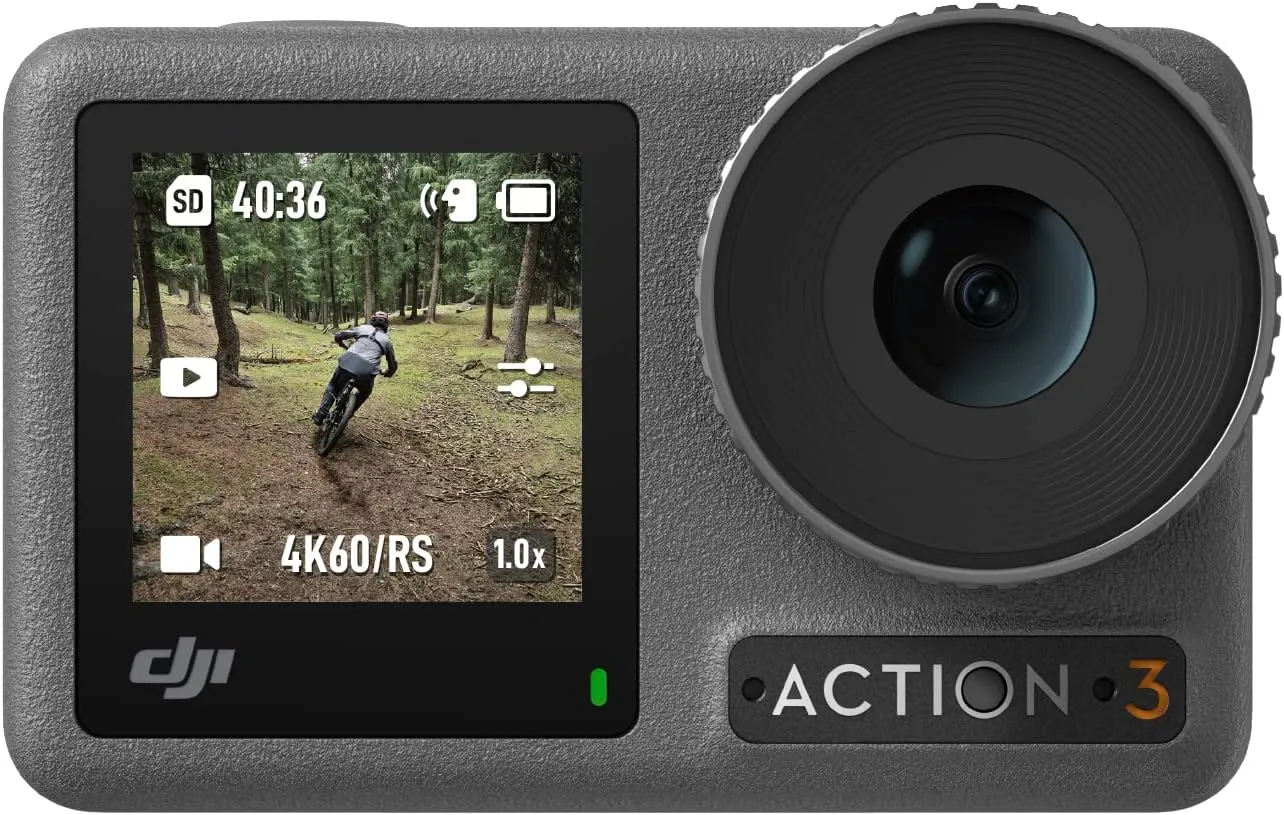
DJI Osmo Action 3: Reliable Alternative ($300-$400)
Perfect for: Content creators needing durability on a budget
Key Features:
- 4K/120fps capability
- RockSteady stabilization
- Dual touchscreens
- Extreme temperature resistant
- Quick-release magnetic mount
Real-World Performance:
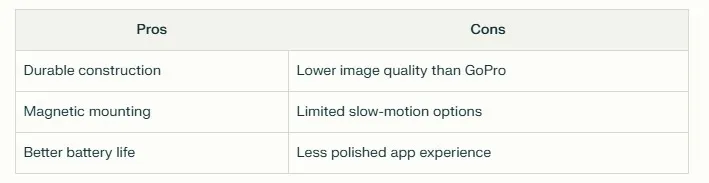
While it may not match the GoPro’s absolute image quality, the Action 3 offers exceptional value with its robust build and innovative magnetic mounting system.
Perfect for extreme conditions and fast-paced activities.
💡 Pro Tip: For extended shooting, invest in the Endurance battery pack and keep your action cam in 4K/30fps for optimal battery life and heat management.
For more information on using GoPros, check out my GoPro guide for beginners and pros.
Additional Vlogging Camera Options
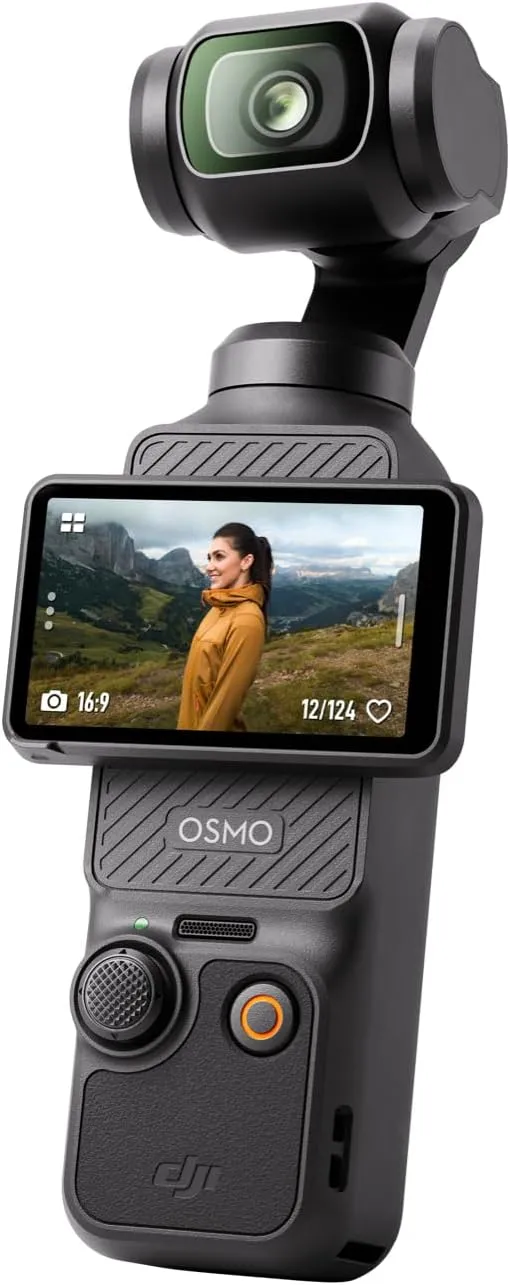
DJI Osmo Pocket 3: Compact Innovation ($400-$500)
Perfect for: Mobile creators seeking stabilized footage in a tiny package
Key Features:
- Built-in 3-axis gimbal
- 4K video capabilities
- Active tracking features
- Compact all-in-one design
- Rotating touchscreen
Real-World Performance:
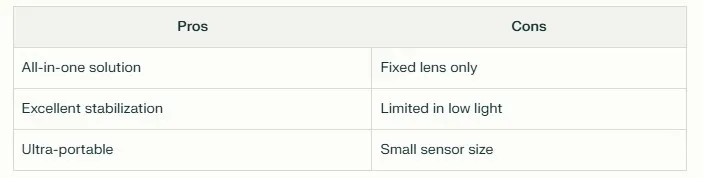
The Osmo Pocket 3 combines a camera and stabilizer in one pocket-sized device. It is one of my top picks in the best pocket vlogging cameras roundup.
Its unique form factor makes it ideal for travel vloggers and documentary-style content where discretion and portability matter.
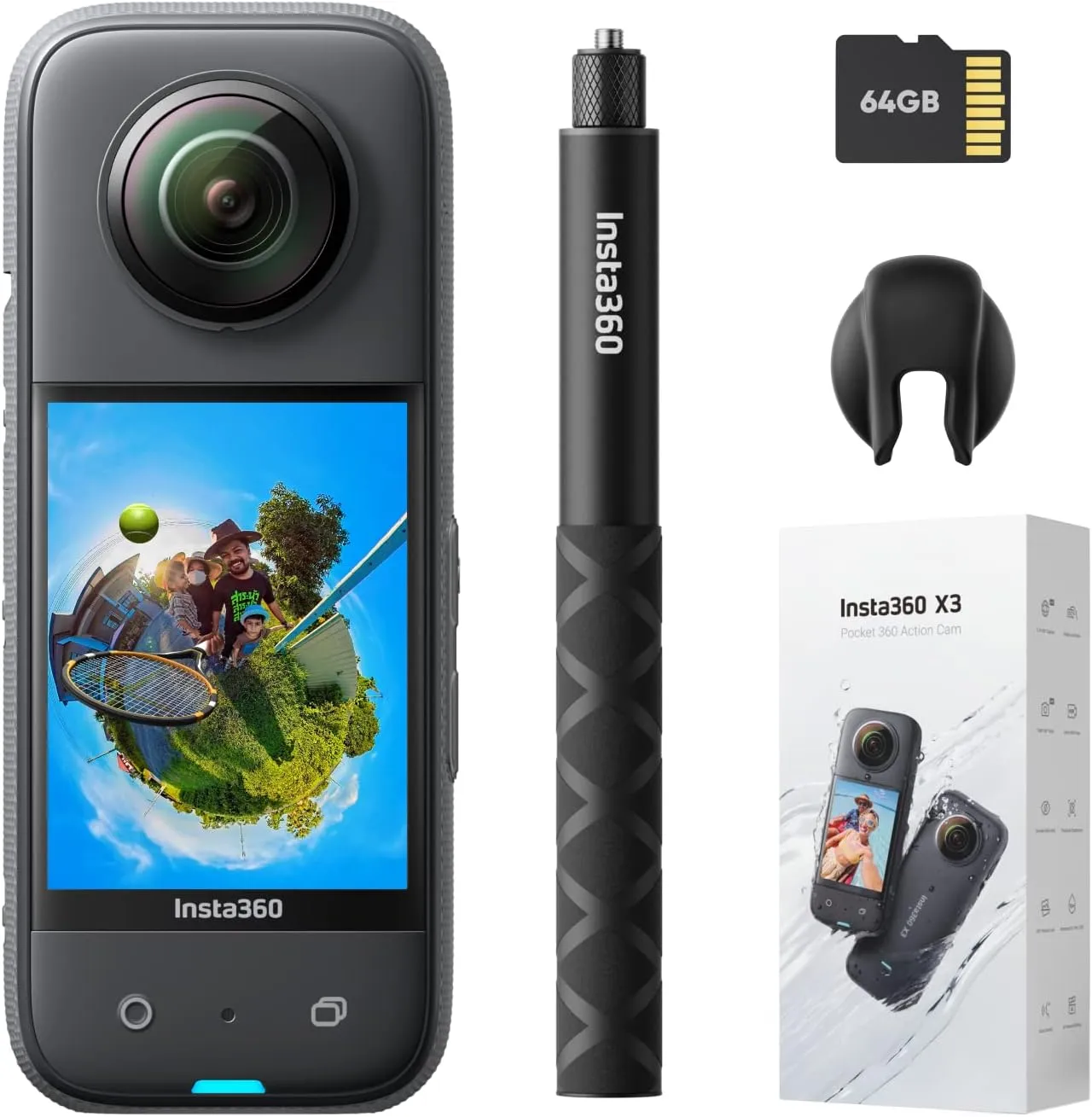
Insta360 X3: Creative Freedom ($400-$500)
Perfect for: Content creators wanting unique perspectives
Key Features:
- 360-degree capture
- 5.7K video resolution
- Invisible selfie stick effect
- AI editing features
- Waterproof design
Real-World Performance:
The X3 opens up creative possibilities impossible with traditional cameras.
Capture everything around you and choose your angles later. Perfect for immersive travel content and dynamic action shots.
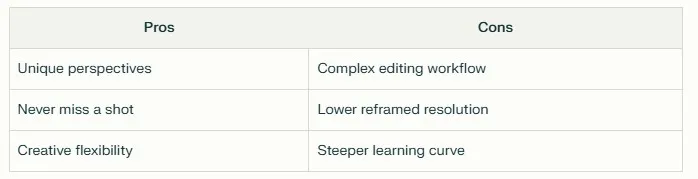
💡 Pro Tip: Start with standard ‘single-lens’ mode while learning the camera, then experiment with 360-degree capture as you get comfortable with the workflow.
For underwater vlogging, check out my guide to underwater cameras.
Understanding Camera Types for Vlogging
Camera Types Compared
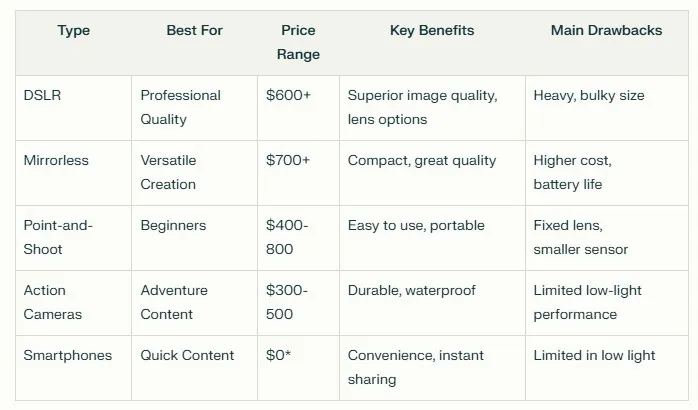
*Assuming you already own a smartphone—which you probably have anyway.
For a detailed comparison, see my DSLR vs Mirrorless Cameras Guide.
DSLR & Mirrorless Benefits
- Interchangeable lenses for different looks
- Superior low-light performance
- Professional-looking depth of field
- Better audio input options
- More manual controls
Compact & Action Camera Advantages
- Lightweight and portable
- Often weather-resistant
- Simple, intuitive controls
- Built-in stabilization
- Quick to set up and shoot
Smartphone Vlogging Perks
- Always with you
- Instant editing and sharing
- Numerous creative apps
- No extra gear needed
- Great for social media
💡 Quick Tip: Start with what matches your content style.
Planning sit-down videos? Consider mirrorless. Active lifestyle content? Look at action cameras.
Key Vlogging Camera Features
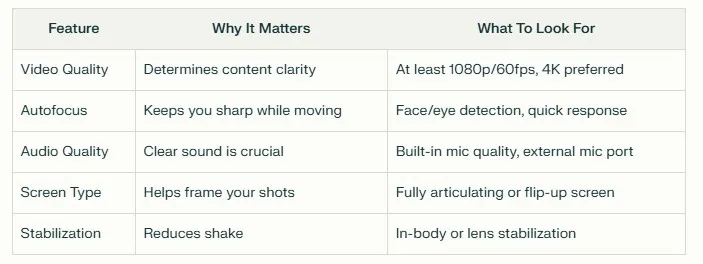
When choosing a vlogging camera, keep these important features in mind:
Essential Features Comparison
Must-Have Features Explained
Video Resolution & Frame Rates
- 4K: Best for future-proofing content
- 1080p/60fps: Ideal for smooth motion
- 24/30fps: Standard cinematic look
Autofocus Capabilities
- Face/Eye tracking keeps you in focus
- Touch-to-focus for product shots
- Subject tracking for moving content
Audio Solutions
- Built-in directional microphones
- External microphone input
- Wind noise reduction
Screen & Monitoring
- Flip screen for self-recording
- Touch capability for easy control
- Bright enough for outdoor use
Image Stabilization
- Reduces camera shake
- Smooths walking footage
- Helps in low light
💡 Pro Tip: Prioritize autofocus and audio quality over resolution; viewers will forgive slightly lower resolution but not poor focus or bad sound.
Tips To Level Up Your Vlogging Skills
Essential Vlogging Tips
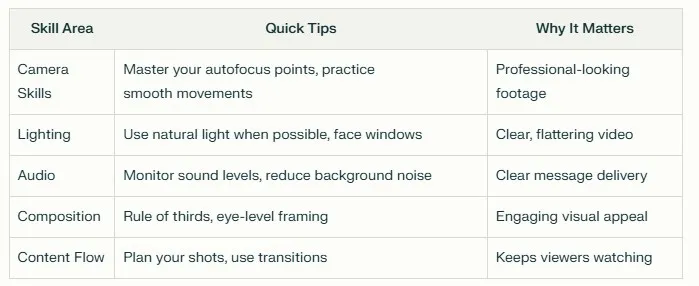
Quick-Start Guide
Camera Setup
- Set video quality (1080p/60fps for smooth motion)
- Enable face/eye tracking autofocus
- Check audio levels before recording
- Format memory card regularly
Basic Shot Types
- Talking head (classic vlog style)
- B-roll (supporting footage)
- Walking shots (movement)
- Detail shots (close-ups)
Lighting Essentials
- Face natural light sources
- Avoid harsh overhead lighting
- Use window light when indoors
- Film during golden hours outdoors
Audio Fundamentals
- Record in quiet environments
- Test audio before full recordings
- Monitor with headphones
- Keep a consistent distance from the mic
💡 Pro Tip: Film a 1-minute test video before each session to check focus, lighting, and audio quality.
For the best times to buy a camera and save money, check out my guide on camera purchasing timing.
Frequently Asked Questions
Camera Selection
Q: What’s the most important feature for a beginner vlogging camera?
The combination of reliable autofocus and a flip screen should be your priority. These features ensure you stay in focus and properly framed while recording yourself.
Q: How much should I expect to spend on my first vlogging camera?
Quality options exist in the $500-$800 range. The Canon EOS R50 and Sony ZV-1 offer excellent value in this price bracket.
Q: Can I start vlogging with just my smartphone?
Absolutely! Modern smartphones can capture excellent video quality. Adding a stabilizer like the DJI Osmo Mobile 6 ($150-$170) can significantly improve production value.
Technical Concerns
Q: What accessories do I need besides the camera?
Essential gear includes:
- Tripodfor stable shots
- External microphone for better audio
- Memory card (64GB minimum)
- Spare battery
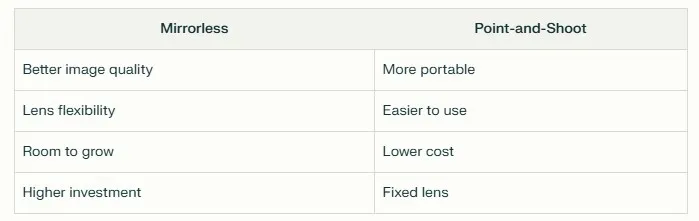
Q: How do I choose between a mirrorless and a point-and-shoot camera?
Q: What resolution should I film in?
1080p is perfectly acceptable for beginners, but 4K offers more flexibility for editing and future-proofs your content.
Finding Your Perfect Vlogging Camera
And that’s it!
The best camera is the one that fits your specific needs and budget.
Start with what you can afford and upgrade as your skills and channel grow.
Quick Decision Guide
Start with the Canon EOS R50 if you want:
- Room to grow
- Professional features
- Best value under $700
Choose the Sony ZV-1 if you need:
- Ultimate portability
- Dedicated vlogging features
- Simple operation
Go with the GoPro HERO11 if you create:
- Adventure content
- Action sports videos
- Underwater footage
Next Steps
- Choose your camera based on your content style
- Master the basic features before exploring advanced settings
- Focus on creating consistent content
- Upgrade accessories as needed
💡 Final Tip: Even smartphone vlogging can build an audience if your content is engaging.
I hope that helps,
-Hakan