
Top 3 Beginner-Friendly Drones for Amazing Aerial Photos
Some links on this site are affiliate links, including Amazon Associates and other affiliate programs. If you buy through them, PhotoCultivator may earn a commission at no extra cost to you. As an Amazon Associate I earn from qualifying purchases.
Want to take your photography to the next level?
Drones have changed how we capture the world, and in 2025, they’re easier than ever for beginners to use.
The drone market is growing fast and is expected to reach about $43.8 billion in 2025.
This growth comes from better technology and more people using drones for different purposes.
If you’re curious about how I got started with flying cameras, check out why I fell in love with drone photography and how it changed how I take pictures.
Here are the three best drones that are easy to use and take great photos, helping you start aerial photography with confidence:
1. DJI Mini 4 Pro: The Ultimate Sub-250g Powerhouse
Why It’s Perfect for Beginners
The DJI Mini 4 Pro is perfect for new pilots in 2025.
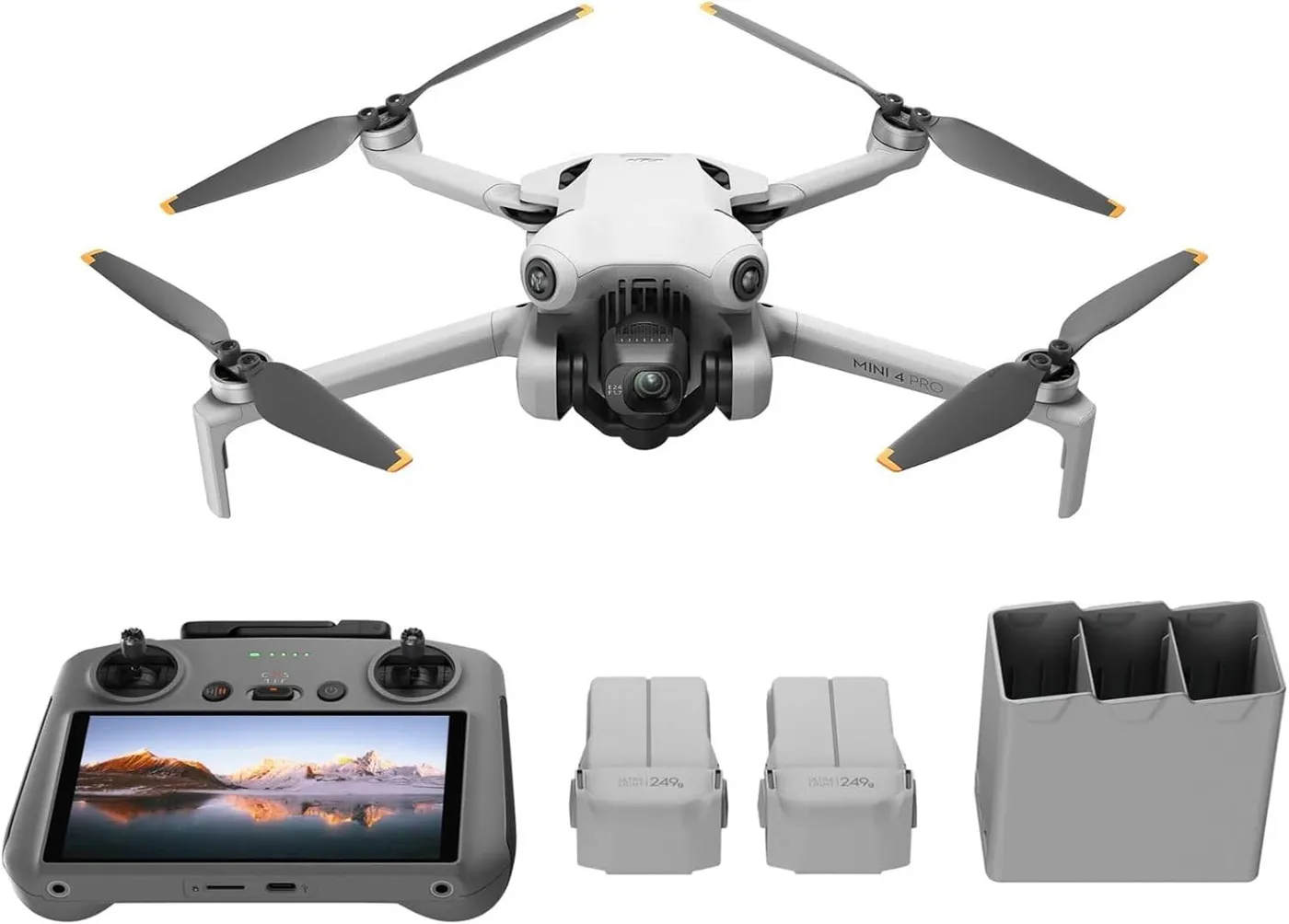
It weighs just 249g, making it easy to carry and free from many drone registration rules in most countries.
This small drone takes professional-quality photos and videos while being really easy to use.
Key Features
- 4K60 video in normal, HDR, or D-Log M formats
- 360-degree obstacle avoidance to prevent crashes
- Can take vertical videos for social media
- Great camera that works well in low light
- Flies for up to 34 minutes on a standard battery
- Optional bigger battery for 45+ minute flights
- APAS feature that helps fly through tight spaces automatically
User Experience
The Mini 4 Pro is easy to control and flies smoothly, which helps build confidence for beginners.
Its small size means you can take it hiking or traveling to capture amazing landscapes.
For more advice on taking great pictures while traveling, check out my essential travel photography tips that work well with drone photography.
This drone handles wind well (up to Level 5), making it reliable for outdoor shooting.
For social media creators, the vertical video option is great because you can capture Instagram and TikTok-ready footage without extra editing.
2. DJI Flip: The Smart Selfie Drone
Why It’s Great for Complete Beginners
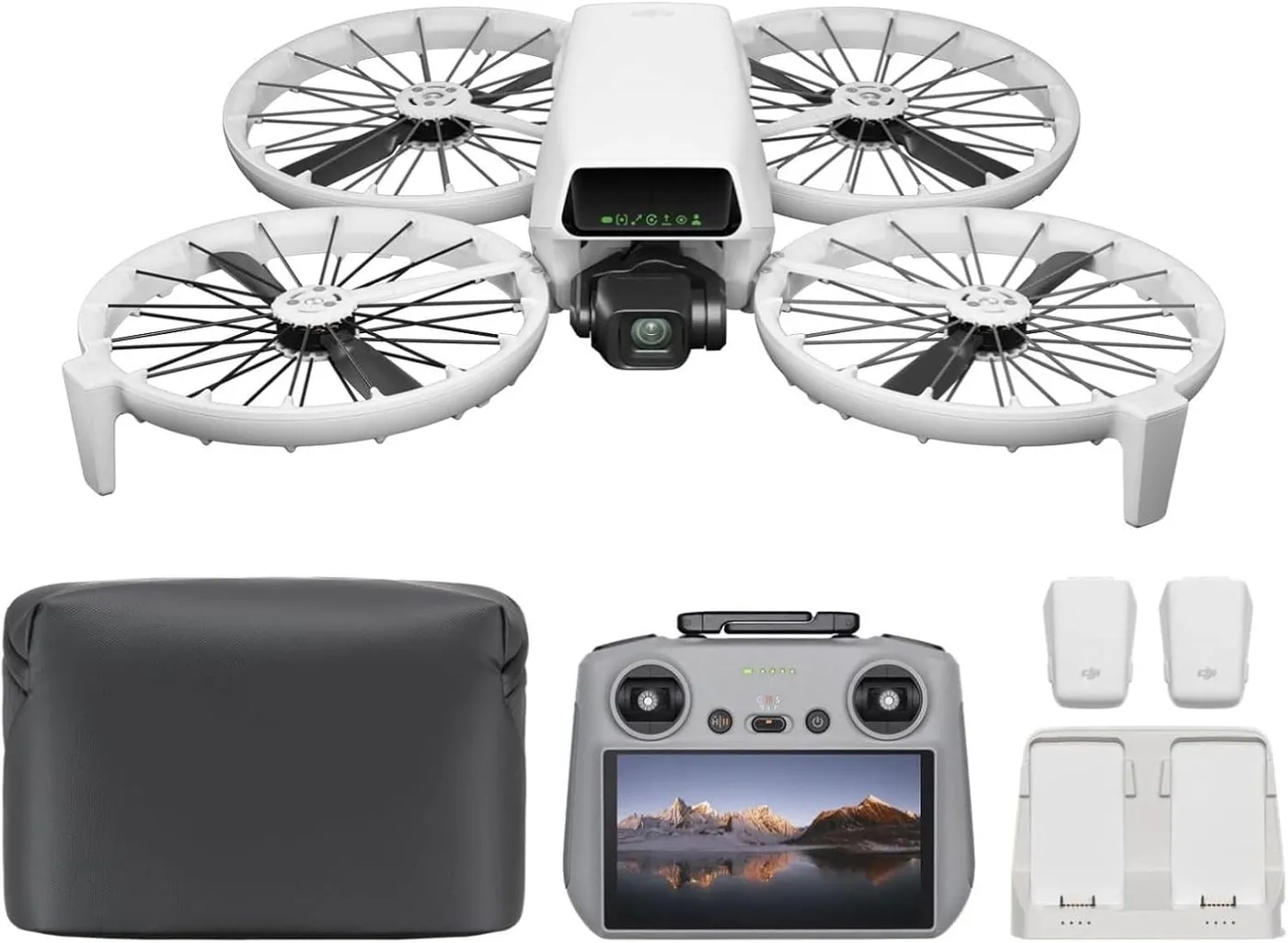
The DJI Flip (called Neo in some places) is a new kind of beginner drone for 2025.
At just 135 grams with built-in propeller guards, it’s one of the safest and most user-friendly drones you can buy.
Key Features
- 4K60 HDR video and 48MP photos
- 10-bit color with log option for editing
- Camera stabilization that keeps footage smooth
- Multiple control options: buttons on the drone, smartphone app, or included remote
- Front and down-facing sensors to avoid crashes
- Up to 31 minutes of flying time per charge
- AI tracking that follows you automatically
- Voice control for hands-free operation
User Experience
What makes the Flip special is how easy it is to use. You can launch it from your hand, and it will keep you perfectly in the shot.
You can start with simple controls on the drone itself and later try more advanced flying with the remote.
The Flip is great for parties, travel vlogs, and capturing memories without needing to learn complex flying skills first.
If you want to create engaging video content with your drone, don’t miss my recently updated vlogging tips for beginners guide covering everything from shooting techniques to growing your audience.
While it lacks Remote ID (which limits professional use), it’s an excellent choice for fun photography and videos.
3. Autel EVO Nano+: The Quality Alternative
Why It’s Worth Considering
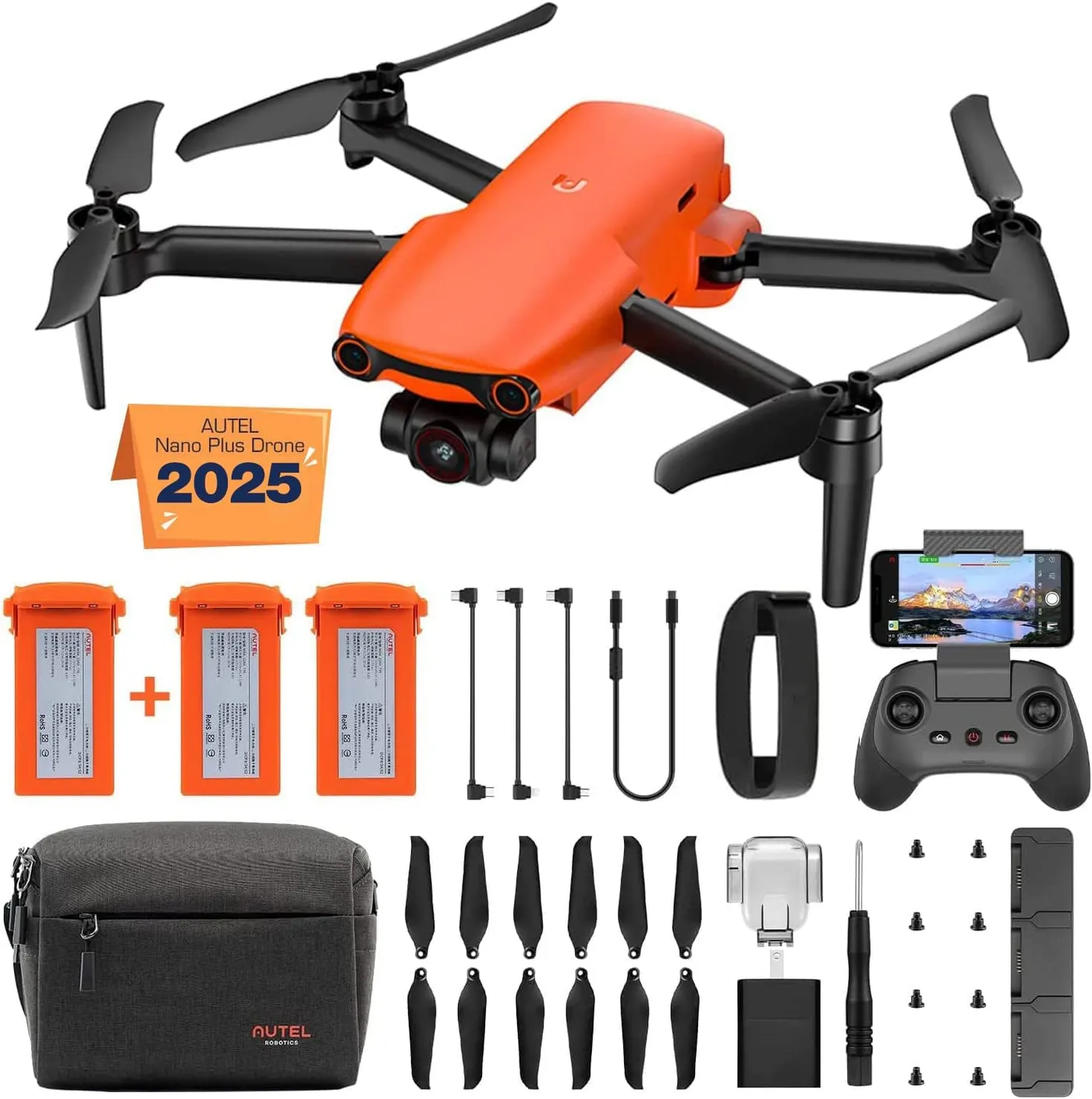
If you want a high-quality alternative to DJI drones in 2025, the Autel EVO Nano+ offers great features in a sub-250g package.
It’s appealing for beginners worried about restrictions on Chinese-made drones, as Autel has some manufacturing in the US.
Key Features
- Large 1/1.28” sensor for high-quality 50MP photos and 4K/30fps videos
- RYYB color design for better low-light performance
- Vision sensors to help avoid crashes
- SkyPortrait mode with smart tracking
- 28 minutes of flight time
- Available in four colors: Orange, Gray, Red, and White
User Experience
Many beginners like the Nano+‘s crash avoidance technology that helps prevent accidents during the learning phase.
Being lightweight means fewer rules to worry about, while still getting great image quality and stable flying.
The drone’s 10km range gives peace of mind for new pilots worried about losing connection, while the easy controls make learning to fly much less scary.
Understanding Drone Rules in 2025
Before flying, it’s important to know the updated drone rules for 2025.
Key Points to Remember:
- Remote ID Requirement: By now, most drones flying in U.S. airspace must have Remote ID, which broadcasts information like serial number and location.
- Registration Rules: Drones under 250g (like our top picks) don’t need FAA registration in many areas, though you still need to pass a simple online test for recreational flying.
- Flight Limits: Always fly below 400 feet, keep your drone where you can see it, and avoid flying over people or moving vehicles.
- New FAA Certificate of Waiver: The FAA has made the waiver process easier, now calling it a Certificate of Waiver (COW), which streamlines approvals for public safety operations.
- Beyond Visual Line of Sight: New rules for flying drones beyond where you can see them allow approved operators more flexibility, with specific requirements.
For visitors planning to fly in the US, extra rules apply, including carrying drones as carry-on luggage only.
Must-Have Accessories for Drone Photography in 2025
To get the most from your new drone, consider these helpful accessories:
- Extra batteries: Fly longer and capture more footage
- ND filters: Control light in bright conditions for smoother videoDJI Mini 4 Pro ND Filters Set
Fast memory cards: Needed for high-resolution video recording. The SanDisk Extreme Pro microSD cards are perfect for drone footage with their high write speeds.
Propeller guards: Extra protection while learning (especially important for the DJI Mini 4 Pro)
Portable charging hub: Keeps multiple batteries ready for extended shooting sessions
Hard case or backpack: Protect your drone during transport. The waterproof hard case for DJI Mini 4 Pro offers excellent protection, or consider the more versatile drone backpack that also fits other camera gear.
For a complete guide to useful photography gadgets that can improve your aerial photography setup, take a look at my essential photography gadgets guide covering everything from field accessories to connectivity solutions.
Also, learning how to properly store and protect your drone equipment is key. My detailed camera gear storage and protection tips will help make your valuable equipment last longer.
Editing Your Aerial Footage
Taking great footage is just the start.
In 2025, these programs lead the way for editing:
- Adobe Lightroom: Still the best choice for photo editing and color grading
- AirMagic: A special AI-powered tool made just for drone photography
- Canva: Growing in popularity for quick, template-based editing of drone content for social media
- DaVinci Resolve: Powerful free program for video editing and color correction
- PhotoWorks: Features smart automatic editing with content-aware correction
To get the best results from your drone photography, you’ll want to learn the basics of photo editing. My editing tips for Photoshop and Lightroom guide covers everything from RAW processing to advanced color correction specially tailored for aerial images.
For serious editors, having the right screen makes a big difference. Explore my latest recommendations in my best photo editing monitors guide updated for 2025.
And if you need a powerful editing computer, check out my recent best laptops for photo editing and gaming roundup that highlights machines with the processing power needed for drone footage.
Tips for Getting Great Aerial Photos and Videos
- Use “golden hour” lighting (early morning or late afternoon) for stunning landscapes
- Use the rule of thirds grid feature in most drone apps
- For the DJI Mini 4 Pro, try the APAS function to navigate through tight spaces
- With the DJI Flip, experiment with the AI tracking modes for dynamic moving shots
- Try low-altitude flights for unique views you can’t get with regular photography
- Try vertical orientation for social media-ready content
- Use bracketing for difficult lighting conditions
- Fly slowly and smoothly for cinematic footage
To really improve your drone photography, understanding good composition is essential.
Don’t miss my article on powerful composition techniques for photography that works well for aerial views and will transform your drone images from simple snapshots to compelling visual stories.
And That’s It!
Whether you choose the versatile DJI Mini 4 Pro, the user-friendly DJI Flip, or the quality Autel EVO Nano+, there’s a perfect drone waiting to lift your photography in 2025.
As drone technology keeps improving, we can expect even more exciting developments in the coming years.
The drone analytics market alone is expected to grow beyond $26.41 billion by 2032, driven by the growing need for real-time actionable data.
If you’re interested in photography but have a smaller budget, take a look at my popular guide to the best cameras under $300 for other affordable ways to explore visual storytelling alongside your drone adventures.
Remember to always fly responsibly, follow local rules, and put safety first. With practice and creativity, you’ll be capturing amazing aerial images in no time.
Share Your Drone Journey!
Have you tried any of these drones or have tips to share? I’d love to hear and learn from you.
Happy flying!
-Hakan
Founder, PhotoCultivator.com
Share the word to fellow photographers now! Your friends might be looking for their first drone, and your recommendation could help them capture incredible aerial perspectives.