
Smartphone vs DSLR Cameras: Expert Guide
The debate between smartphone cameras and DSLRs intensifies in 2025, with both platforms pushing technological boundaries.
While smartphones leverage AI and computational photography, DSLRs maintain advantages in hardware superiority.
Here’s how to choose the right tool for your needs.
2025’s Top Smartphone Cameras
Modern flagships blend cutting-edge hardware and AI for unprecedented versatility:
Samsung Galaxy S25 Ultra
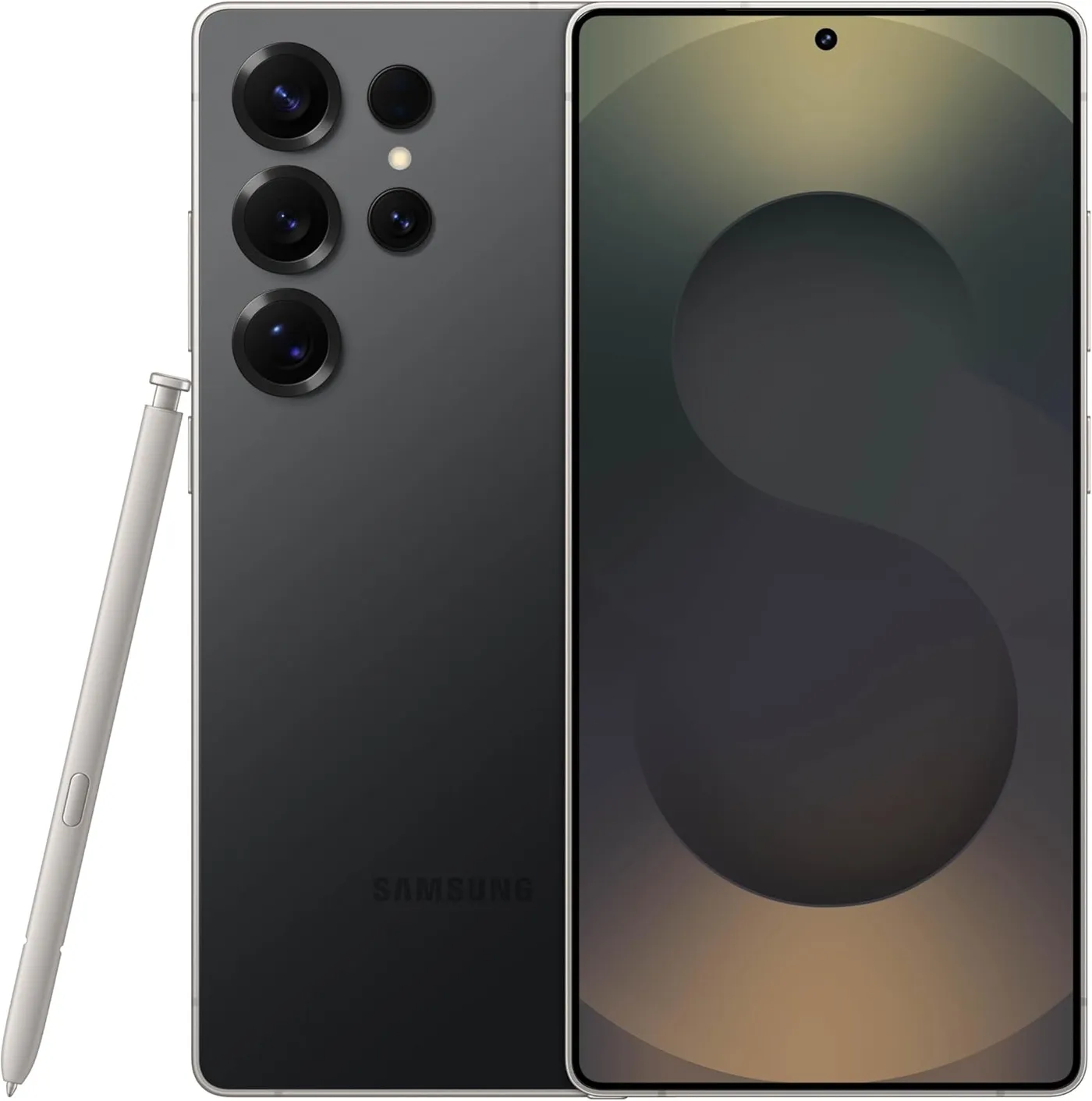
- Camera System:200MP main sensor (f/1.7, 23mm) with pixel-binning
- Quad-lens setup: 50MP ultra-wide (13mm), 10MP 3x telephoto (69mm), 50MP 5x periscope (115mm)
- 8K video with AI-enhanced audio and LOG support
Key Features:
- Advanced AI editing tools (e.g., reflection removal, multi-frame processing)
- 5000mAh battery with wireless charging
Google Pixel 9 Pro
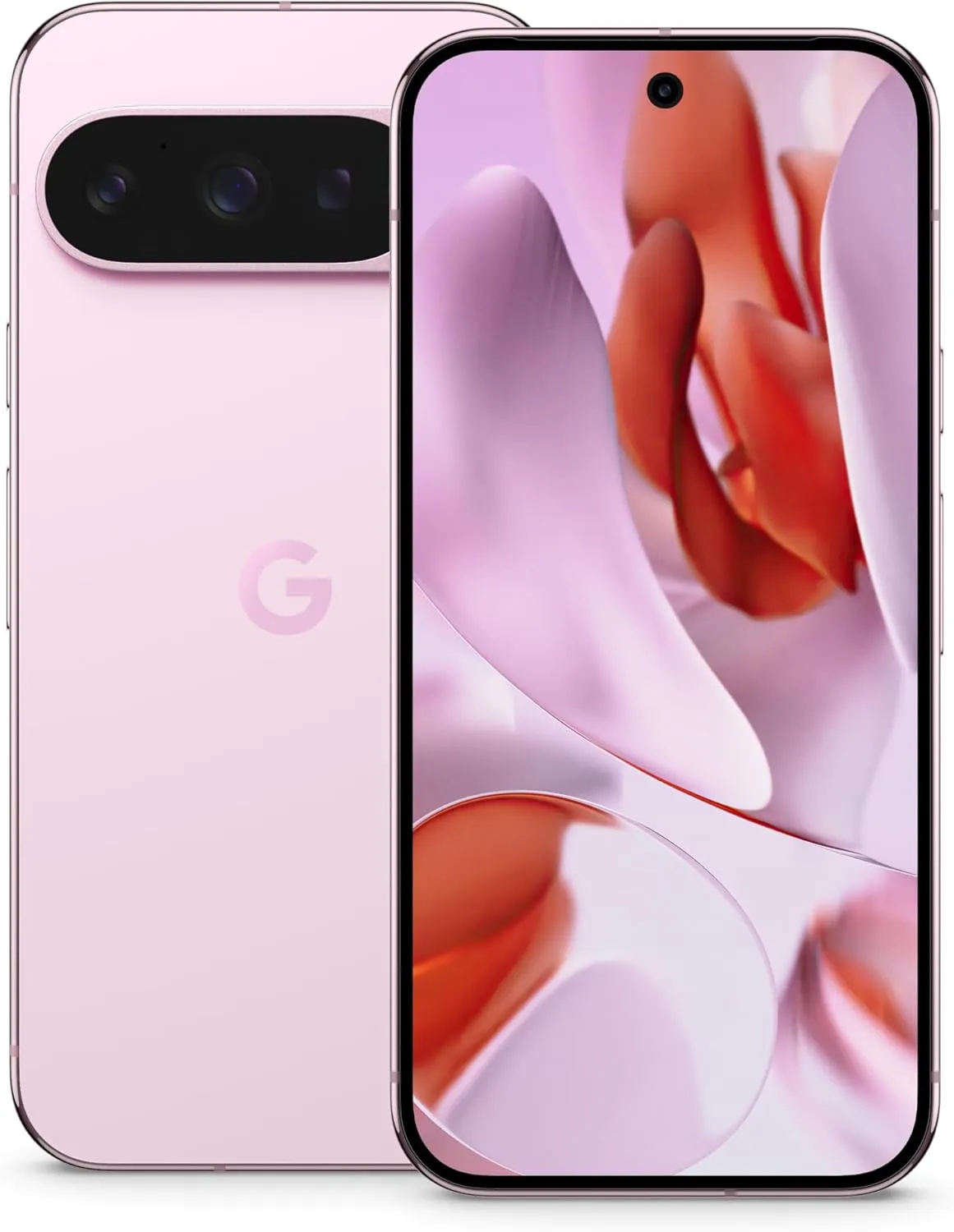
- Strengths:Best-in-class computational photography (enhanced Night Mode, HDR+)
- Real-time AI scene optimization
- Wi-Fi 7 compatibility
iPhone 16 Pro Max
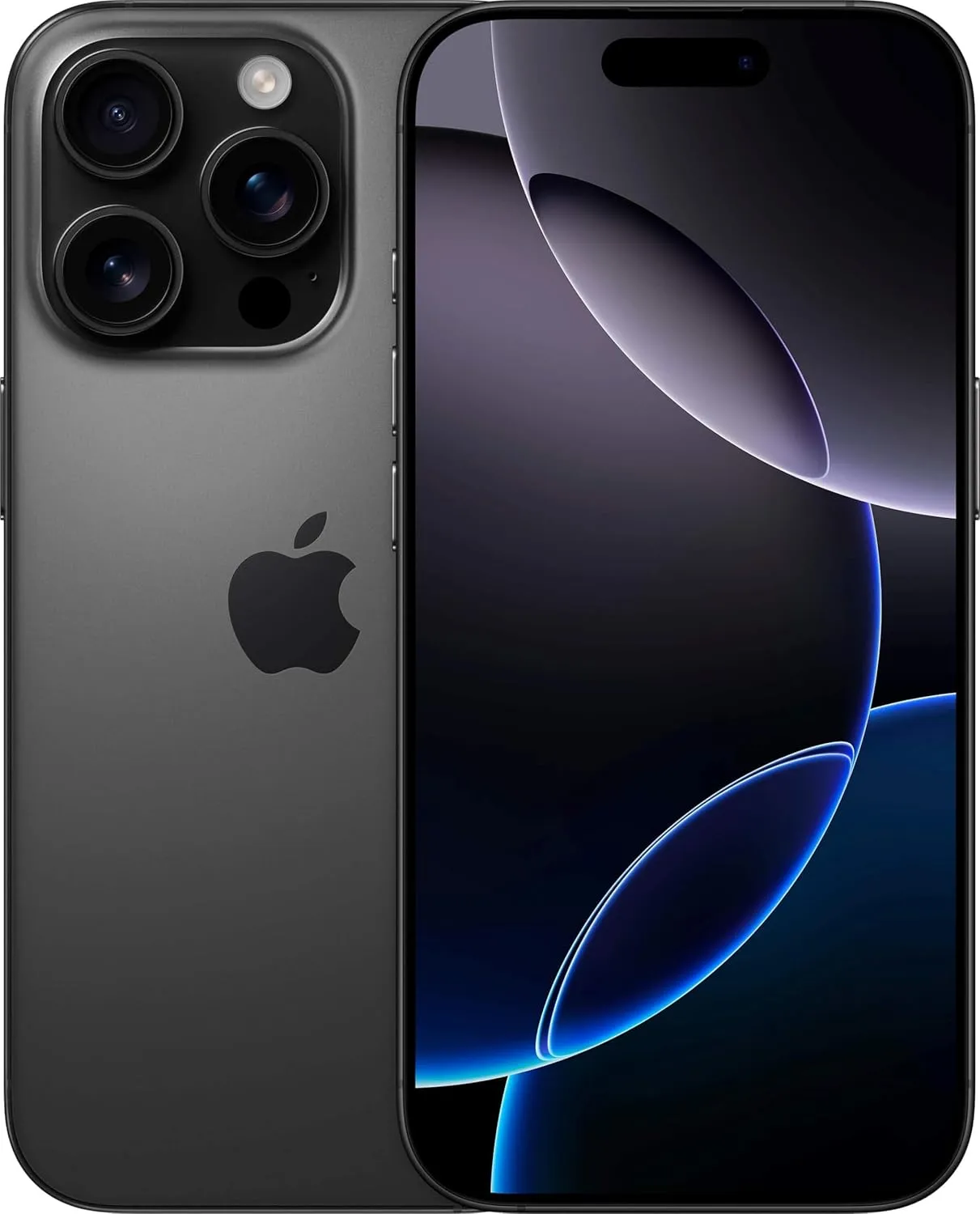
- Updates:48MP main sensor with improved A18 Pro chip
- 5x telephoto lens + AI-driven depth mapping
- ProRes video recording for filmmakers
Xiaomi 14 Ultra
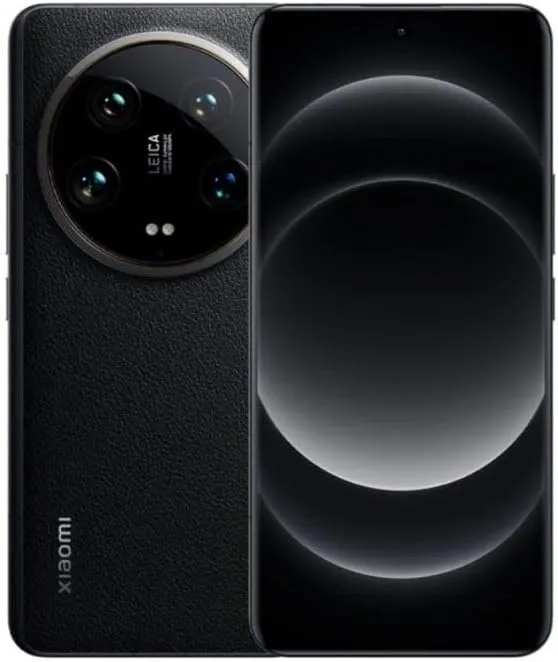
- Standout Feature:Leica quad-camera system with variable aperture (f/1.6–f/4.0), optimized for street photography.
- 50MP main sensor optimized for street photography
DSLRs in 2025: Why Professionals Still Swear By Them
Despite smartphone advances, DSLRs dominate in:
- Sensor Size: Larger sensors (APS-C/Full Frame) enable superior low-light performance.
- Optical Control: True optical bokeh and manual aperture adjustments outperform computational simulations.
- Lens Versatility: Swap lenses for macro, telephoto, or ultra-wide shots, unmatched by fixed smartphone systems (see DSLR vs mirrorless guide).
- Durability: Weather-sealed bodies for rugged environments.
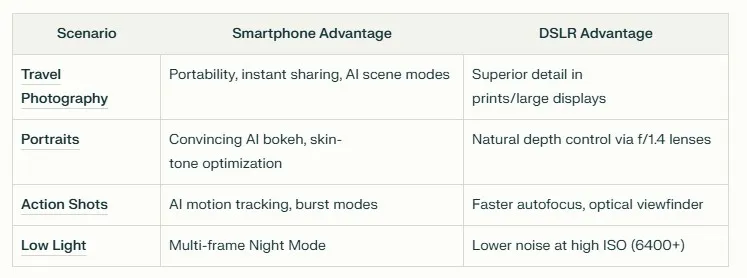
Head-to-Head: 2025 Use Cases
Future Trends Reshaping Photography
- AI-Driven Workflows: Phones now suggest compositions and adjust settings in real time (explore AI’s impact).
- AR Integration: Overlay virtual elements on live views for creative shots.
- 5G Editing: Cloud-based processing via 5G reduces reliance on onboard hardware.
- Hybrid Shooters: Pros use smartphones for B-roll and DSLRs for primary footage.
Expert Take
Léa Martin, Pro Photographer:
“My Galaxy S25 Ultra handles 80% of my social content, but my Canon EOS R5 remains essential for client work. Smartphones excel in convenience, but DSLRs deliver unrivaled fidelity for large prints.”
Choosing Your Tool
- For Most Users: Flagship smartphones cover everyday needs.
- For Enthusiasts/Pros: Invest in a DSLR for lenses and sensor quality.
- Budget Tip: 2024 DSLRs (e.g., Nikon D780) offer significant discounts with similar performance.
If you’re just starting out, the deciding factor isn’t the spec sheet: see my case for why you shouldn’t default to your phone when you’re serious about learning photography.
Final Word
The gap keeps narrowing, but choice hinges on your output needs.
Smartphones dominate convenience and AI-enhanced workflows, while DSLRs reign in technical precision.
As sensor tech evolves, the best camera remains the one that aligns with your creative vision.
Explore more on how to master low-light techniques.
-Hakan
Founder, PhotoCultivator.com