
Do Photographers Owe Something to Their Subjects?
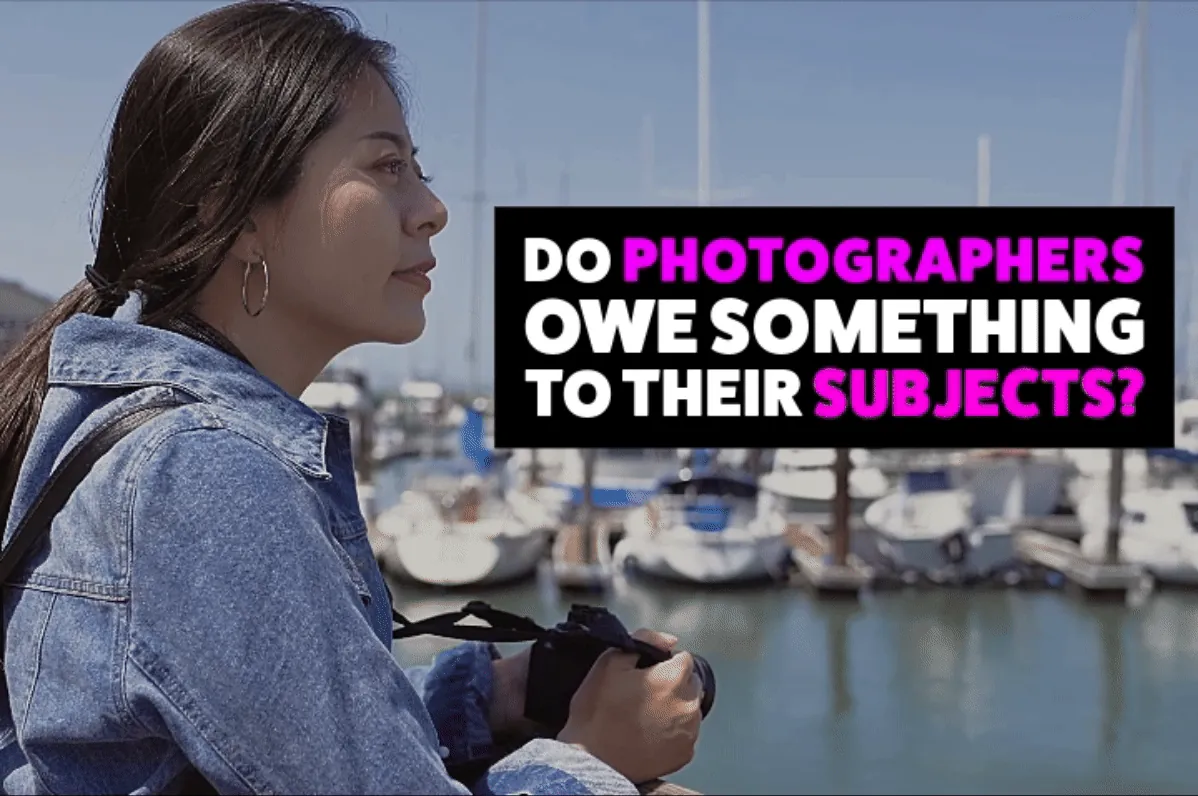
In photography, particularly photojournalism, the complex relationship between photographers and their subjects continues to raise important ethical questions.
Do photographers owe something to the people they photograph, especially when an image becomes iconic and launches their career?
Should subjects be compensated or given more control over how their image is used?
The Power of Iconic Images
These questions have come up repeatedly with famous historical photographs like “The Migrant Mother” by Dorothea Lange and “Afghan Girl” by Steve McCurry.
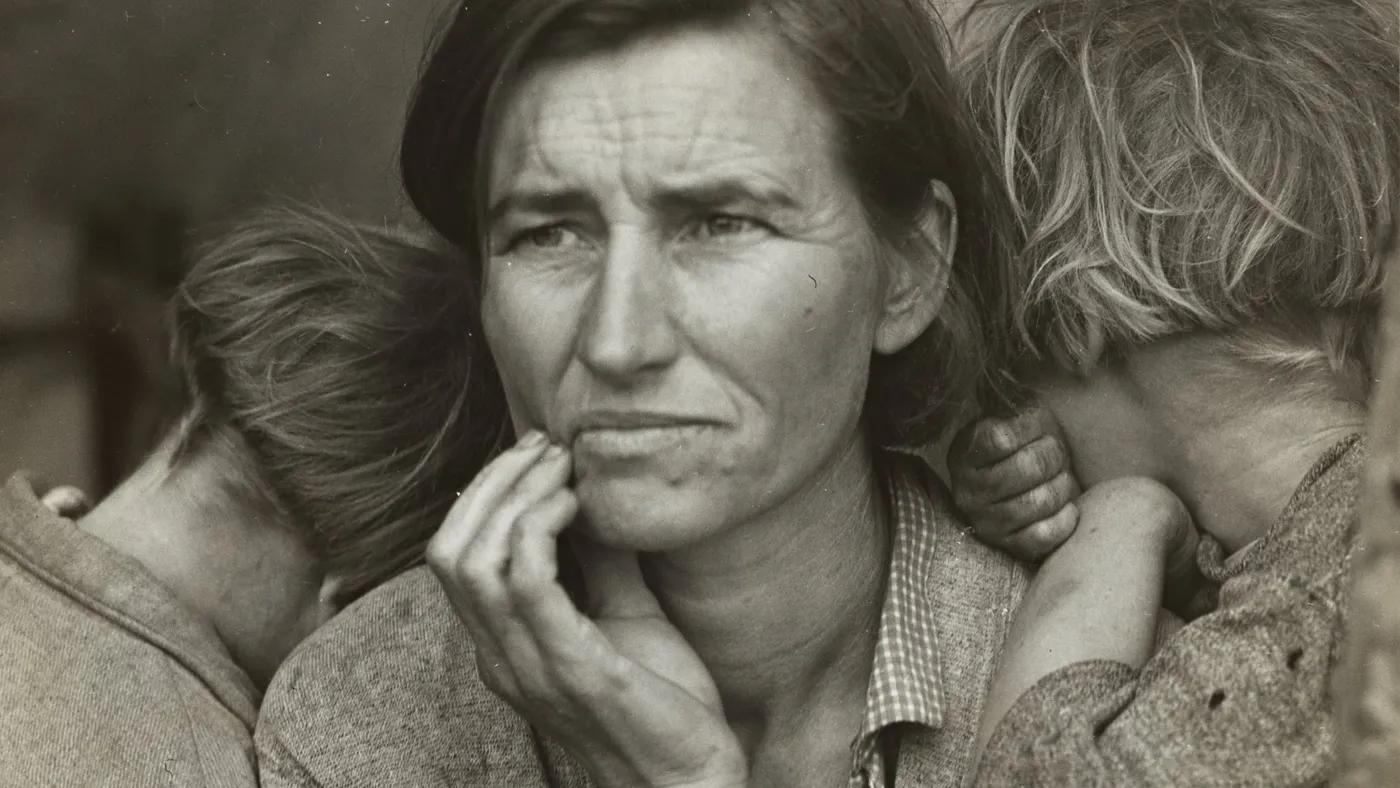 Dorothea Lange’s “Migrant Mother” (1936) captured the hardship of the Great Depression, becoming an iconic image of American history.
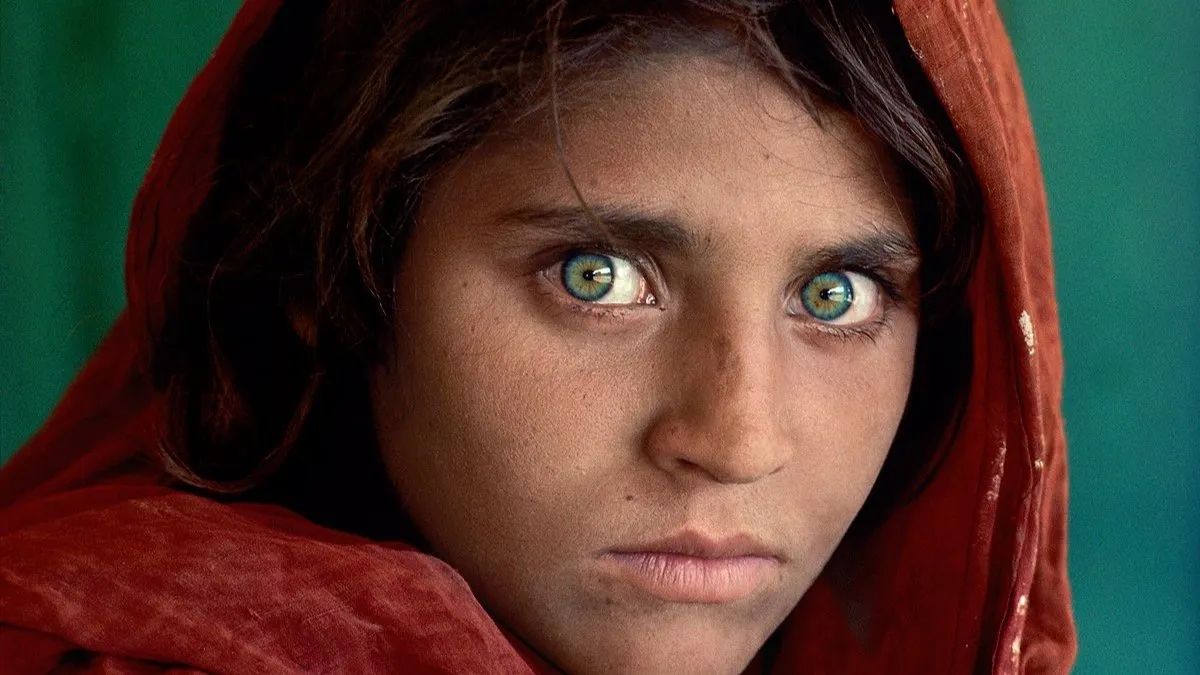 Steve McCurry’s “Afghan Girl” (1984) became one of National Geographic’s most recognized covers, symbolizing the plight of Afghan refugees.
In many cases, the photographers achieved fame and success from these images, while the subjects remained anonymous and impoverished.
Legal and Ethical Considerations
From a legal standpoint, photographers generally have the right to take and publish photos of people in public spaces without obtaining permission, especially for journalistic purposes.
However, the ethical considerations are more nuanced.
Power Dynamics and Representation
An important factor to consider is the power dynamic between the photographer and its subject.
Historically, many famous photographers were white Westerners documenting people in developing countries or marginalized communities.
This raises questions of exploitation and who gets to control the narrative.
The Role of Documentary Photography
Documentary photography plays a vital role in society by bearing witness to important events and shedding light on social issues.
Photographers increasingly emphasize collaboration and ethical storytelling.
Photographers are increasingly prioritizing transparency, consent, and cultural sensitivity in their work.
The Impact of Technology
Advancements in technology, particularly AI and computational photography, are reshaping the landscape of photography.
These tools offer new possibilities for image creation and manipulation but also raise new ethical concerns about authenticity and representation.
Potential Solutions
Well…There’s no clear consensus.
But here are some approaches you should consider:
- Be upfront with subjects about how photos may be used
- Provide context and background on subjects when publishing
- Consider sharing profits or setting up funds to support communities photographed
- Work with local photographers from the communities being documented
- Use photos to raise awareness of social issues affecting subjects
- Prioritize collaboration and consent in the photographic process
- Disclose the use of AI or digital enhancements in image creation
Case Studies in Ethical Photography
Some photographers have set positive examples in addressing these ethical concerns.
For instance, Nick Ut, who captured the famous “Napalm Girl” photo, went beyond his role as a photographer to ensure the subject received medical care.
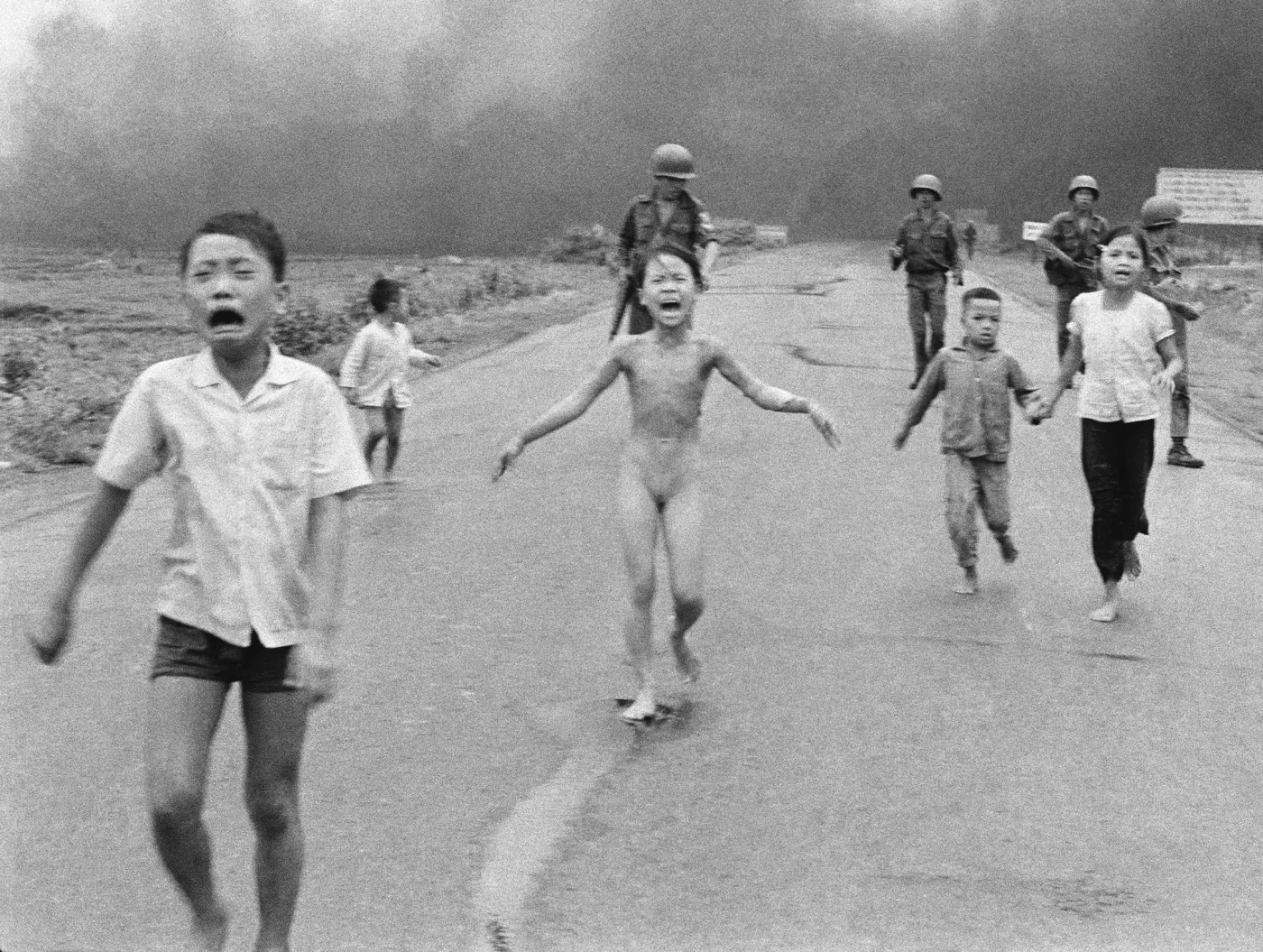 Nick Ut’s Pulitzer Prize-winning photograph “Napalm Girl” (1972) powerfully depicted the horrors of the Vietnam War, sparking global anti-war sentiment.
This demonstrates how photographers can take responsibility for the welfare of their subjects beyond just capturing an image.
More recently, photographer Daniella Zalcman has pioneered the use of collaborative storytelling techniques in her work with Indigenous communities, ensuring that subjects have agency in how their stories are told.
The Future of Ethical Photography
There’s a growing emphasis on sustainability and ethical practices.
For those interested in learning more about ethical practices in photography, my guide on stock photography tips offers deeper insights on respecting subjects’ rights and dignity.
The Ongoing Debate
Ultimately, there’s no easy answer to this ethical dilemma.
It requires photographers to carefully consider their motivations, methods, and responsibilities.
💡As renowned photographer Sebastião Salgado puts it, “The picture is not made by the photographer, the picture is more good or less good in function of the relationship that you have with the people you photograph”.
The photography world continues to grapple with these questions.
So, maintaining open dialogue and evolving best practices will be key to ensuring that photography remains a powerful tool for storytelling while respecting the rights and dignity of its subjects.
What are your thoughts on the ethics of photography and a photographer’s obligation to their subjects? Let us know in the comments!
-Hakan.