
Compact Camera Guide: Best Lightweight Cameras for Outdoor Photography
Some links on this site are affiliate links, including Amazon Associates and other affiliate programs. If you buy through them, PhotoCultivator may earn a commission at no extra cost to you. As an Amazon Associate I earn from qualifying purchases.
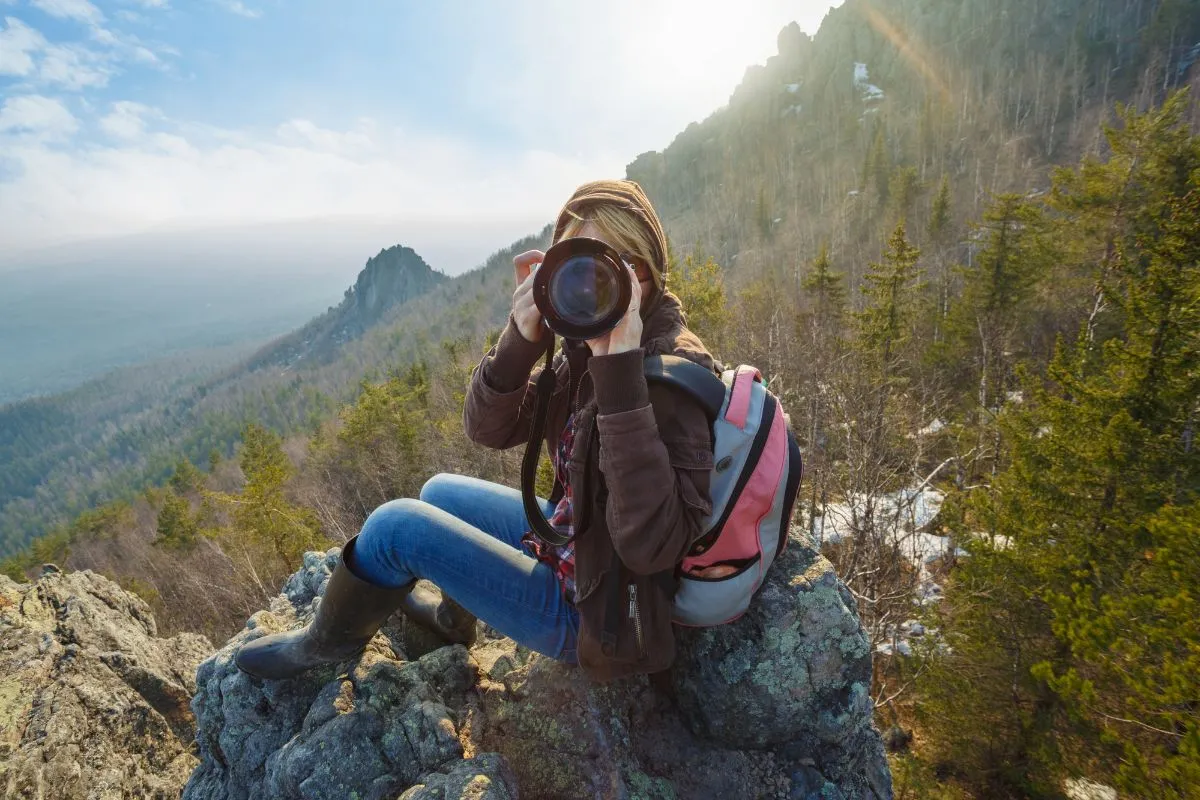
Hiking and outdoor photography often require lugging around heavy camera equipment over long distances.
However, the joy of capturing beautiful landscapes can quickly fade under the burden of a bulky camera setup weighing you down.
Check out my guide on the different types of cameras to get started.
Why Downsize for Hiking?
A lighter camera means less strain on your body, allowing you to cover more ground comfortably.
Smaller gear is also easier to pack, leaving room for other hiking essentials.
Most importantly, you’re more likely to have your camera on hand to capture those fleeting outdoor moments when you’re not weighed down by heavy equipment.
Camera Options for Outdoor Photography
Mirrorless Camera Systems
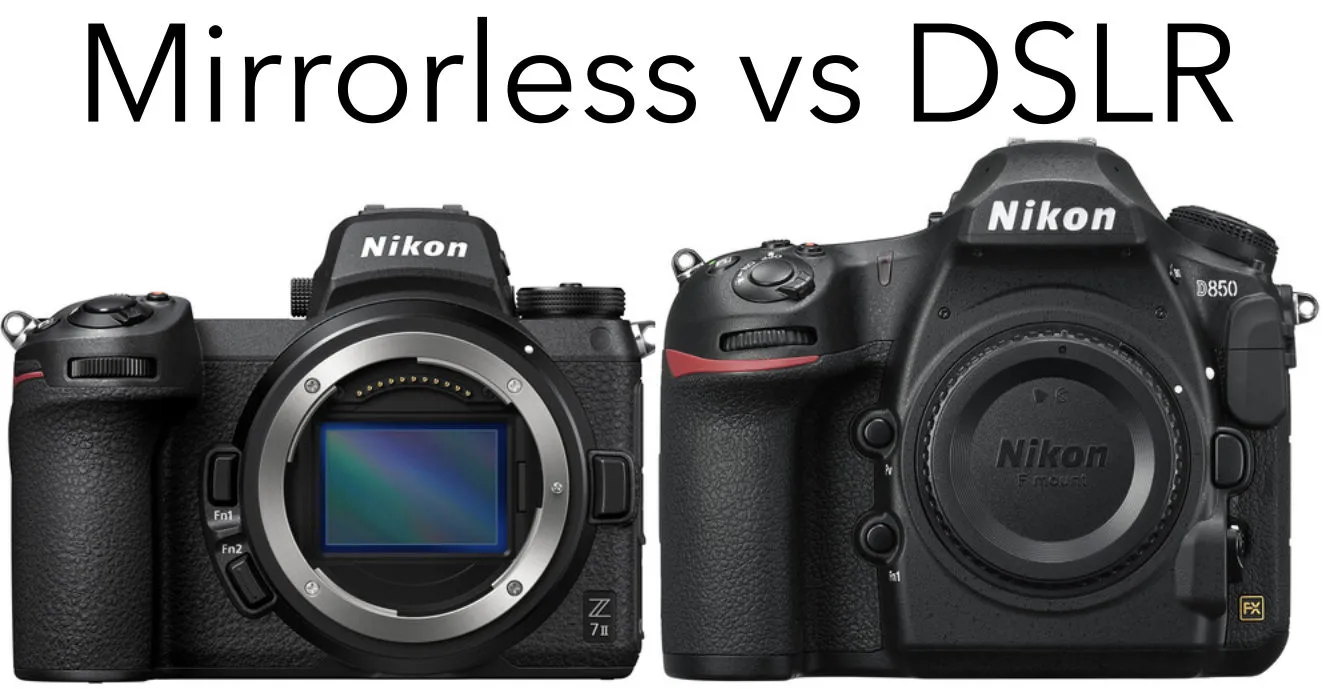
Mirrorless cameras offer a great balance of image quality, compact size, and lightweight design compared to bulky DSLRs, making them an excellent choice for outdoor photography.
Sony Alpha Series
- Sony a6400 or a6600 (APS-C sensor) paired with lenses like Sigma 16mm f/1.4 and Tamron 17-70mm f/2.8
- Provides high-resolution photos suitable for large prints while being portable and easy to use
- Battery life: 360-720 shots per charge, rechargeable via USB
Micro Four Thirds
- Olympus OM-D E-M5 III or OM System OM-1 with weather-sealed lenses like the 12-40mm f/2.8.
- Known for versatility and solid performance in a compact, lightweight package
- Battery life: 310-420 shots per charge, rechargeable via USB
Compact Cameras
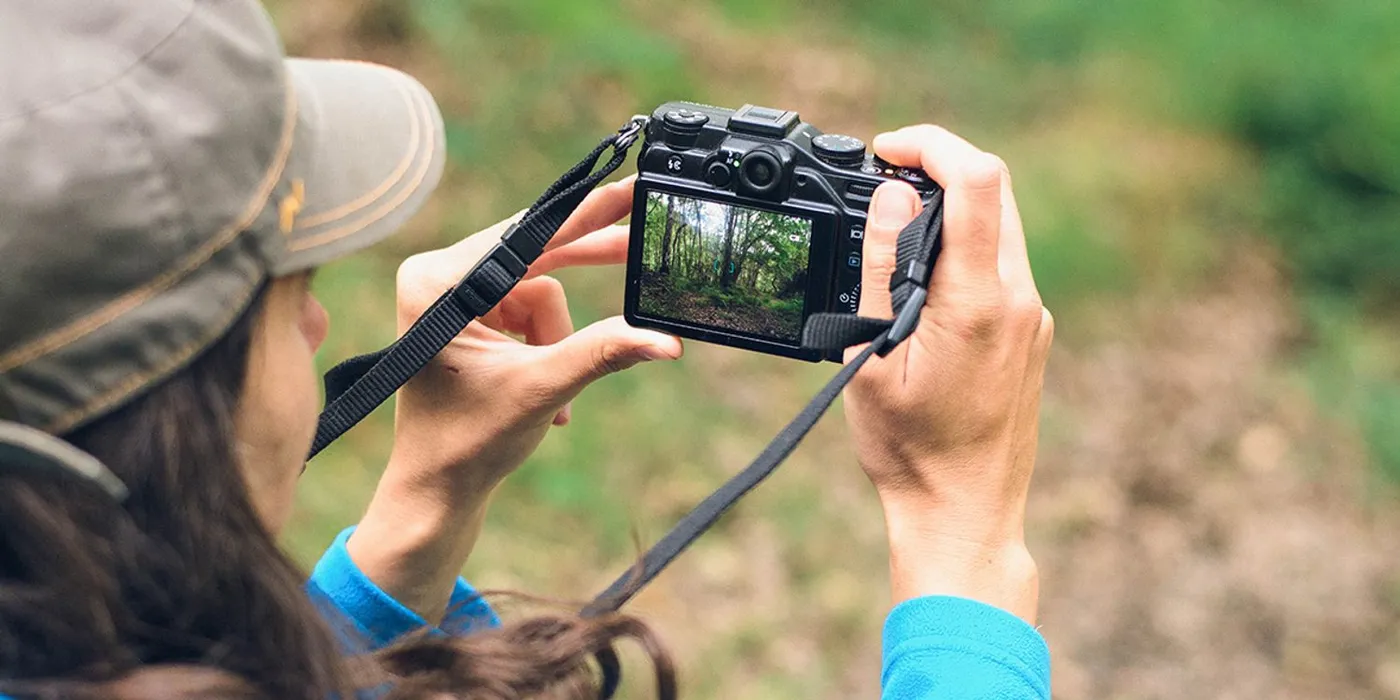
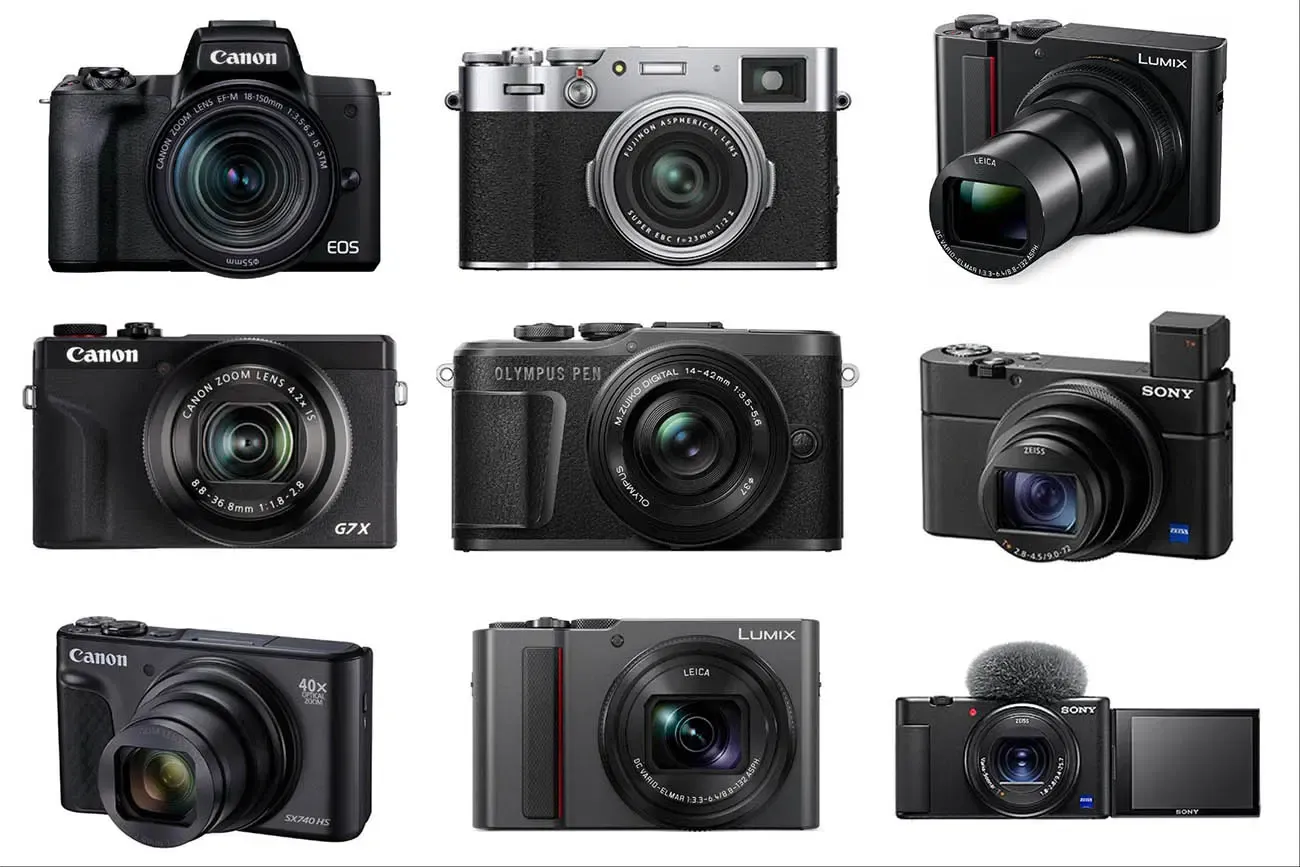
For the ultimate in portability, consider a high-endcompact camera.
These pocket-sized powerhouses deliver impressive image quality despite their small size.
Sony RX100 Series
- Large 1-inch sensor and versatile zoom lens in a compact body
- Ideal for capturing landscapes, wildlife, and close-up details with ease
- Battery life: 220-350 shots per charge, rechargeable via USB
Leica D-Lux 7
- Renowned for its portable size and excellent image quality
- Delivers sharp, high-resolution photos suitable for large prints
- Battery life: 300 shots per charge, rechargeable via USB
Fuji X100V
- Known for its compact size and excellent image quality, ideal for landscape photography
- Offers high-resolution images suitable for large prints while portable and convenient to use
- Battery life: 420 shots per charge, rechargeable via USB
Weather Resistance and Durability
When choosing a camera for outdoor photography, consider models with weather sealing to protect against dust, moisture, and light rain.
The Olympus OM-D E-M5 III offers excellent weather resistance, making it ideal for unpredictable outdoor conditions. The Fuji X100V’s body is weather sealed as well, but its lens is not; full weather sealing requires Fujifilm’s AR-X100 adapter ring plus the PRF-49 protector filter, so plan for that kit before shooting it in the rain.
Low Light Performance
For capturing stunning sunrises, sunsets, or night sky scenes, prioritize cameras with good low-light performance.
The Sony Alpha series and Fuji X100V excel in this area, offering high ISO capabilities and wide aperture lenses.
Lens Considerations
While compact cameras have fixed lenses, mirrorless systems allow for interchangeable lenses.
When choosing lenses for outdoor photography, consider:
- Wide-angle lenses for sweeping landscapes (e.g., 16-35mm)
- Versatile zoom lenses for varied shooting situations (e.g., 24-70mm)
- Telephoto lenses for wildlife or distant subjects (e.g., 70-200mm)
Opt for lightweight, weather-sealed lenses to complement your compact camera body.
Carrying Solutions & Battery Life
To make hiking with your downsized camera setup more comfortable, invest in carrying solutions like backpacks, sling straps, holster bags, or clip systems that attach the camera to your backpack strap.
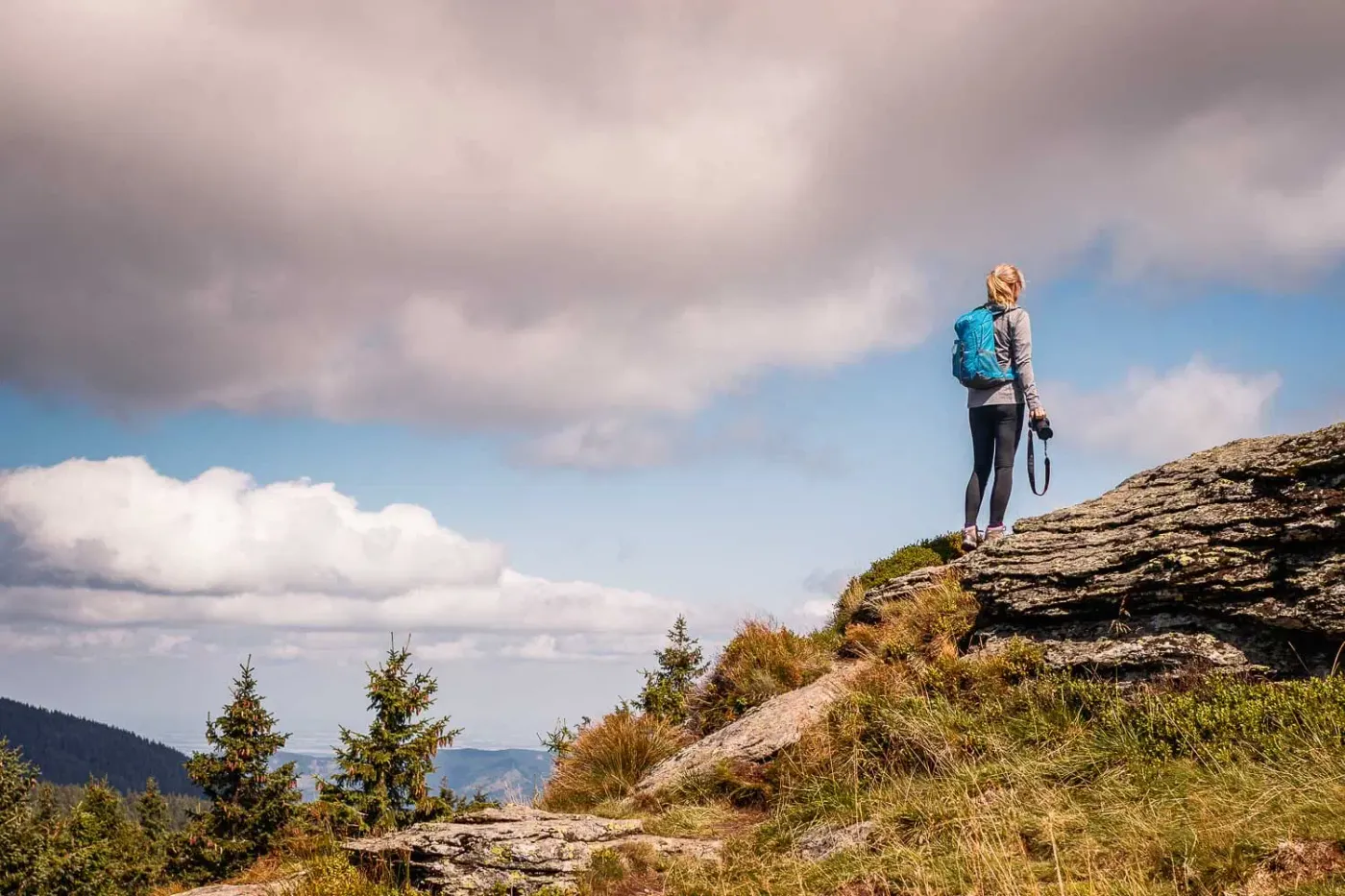
These can help offset the weight.
For extended outdoor shoots, pack spare batteries or a USB power bank to recharge your camera’s battery on the go.
Video Capabilities
If you plan to shoot video in addition to stills, consider cameras known for their 4K video quality, such as the Sony a7 IV, GoPro Max (for 360° video), or Fuji X-T4.
When downsizing your camera gear, remember that the best camera is the one you’ll actually use.
Choose a compact, lightweight option that fits your shooting style and needs.
Smartphone Integration
Many modern cameras now offer smartphone connectivity for easy image transfer and remote control.
Look for cameras with built-in Wi-Fi and Bluetooth capabilities, allowing you to quickly share your outdoor adventures on social media or back up your photos to your phone.
Post-Processing Considerations
When shooting in challenging outdoor lighting conditions, consider cameras that offer in-camera RAW processing or those compatible with mobile editing apps.
This allows you to make quick adjustments to your images while still in the field.
And That’s It
When downsizing your camera gear, remember that the best camera is the one you’ll actually use.
Choose a compact, lightweight option that fits your shooting style and needs.
I hope that helps,
-Hakan.